Where to start, where to start…
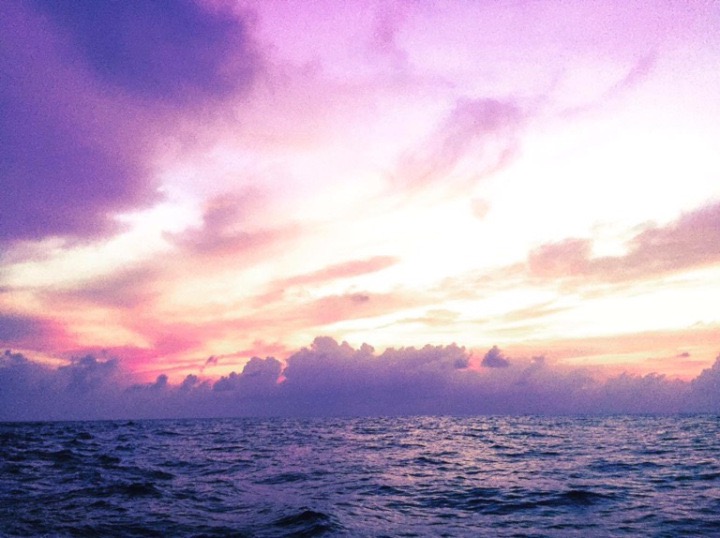
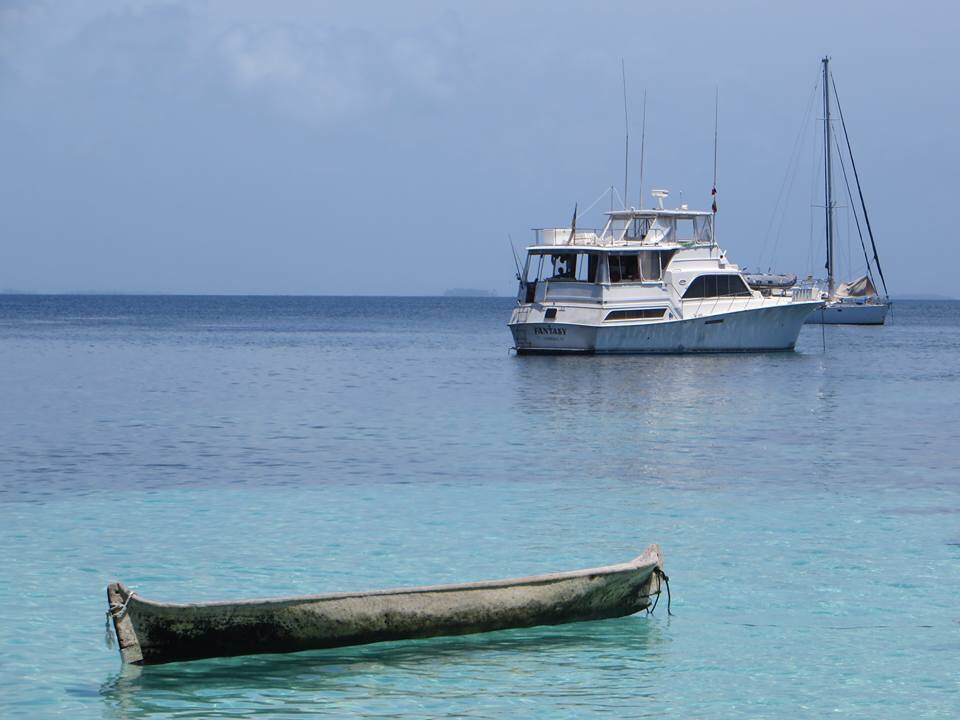
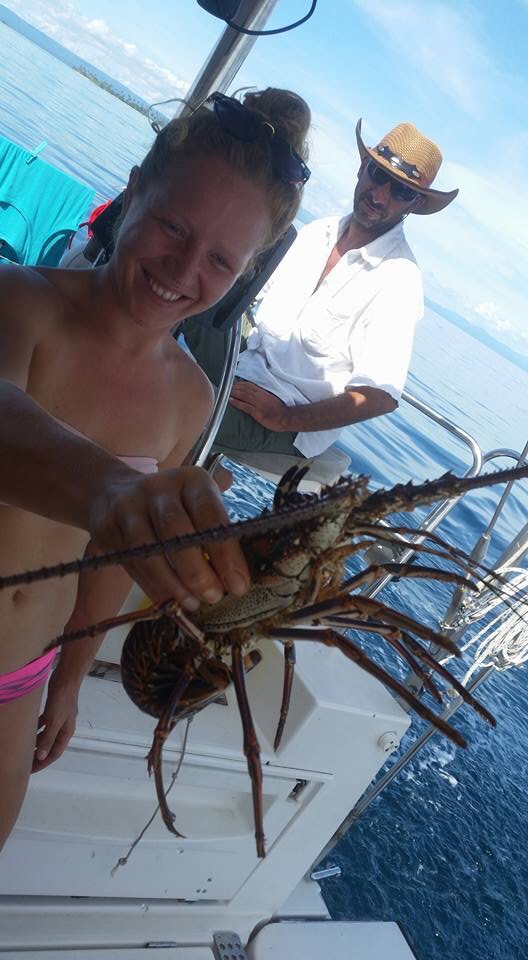
The past week has been one of the most beautiful of my life. Molly and I have spent five days as passengers on a sailboat, traveling between Porto Lindo, Panama and Cartagena, Colombia. We weaved in and out of the San Blas Islands, ate fresh lobster with the indigenous Kuna people, snorkelled in clear coral reefs, and experienced an arduous two-day open sea voyage to round out the experience. The colors and smells were so unlike anything I have ever felt before and, to be honest, it felt incredible disconnecting from devices and responsibilities to enjoy the company of our crew, fellow passengers, and all-encompassing sea. We landed in Cartagena and thus far have been blown away by the rush of energy and life that Colombia has provided. Warning: this will be a long post.
To begin, I had been having a difficult time making sense of what Molly and I had experienced in Panama City. The people were lively yet unhappy. The city was modern and yet starkly out of place with its environment. Different accounts lamented the loss of authority with the departure of the American occupying forces yet others boasted of the progress made since independence. It is a confusing place to introduce a gringo to Latin American life, and although the history and prominence of Panama City merits a large place in Latin American history, I would not recommend it as an appetizer to the wonder of the region.
Our last day in Panama City was difficult. We had to go to a mall to attempt to ship Molly’s computer back to the states, if not repair it on the spot. It is very frustrating to have a desire to experience the “true” culture of a country and yet spend two of your six days in the country’s largest shopping mall, and yet as we wandered around the commercial center a horrible realization dawned on us…
(Note to self: Picture of merry-go-round is on Molly’s camera)
In the center of the food court sat a very large, carnival-esque merry-go-round. We had noticed it on one of our earlier days in the mall but gave it barely any attention. But on that second day, as we were sitting in the food court trying to plan out our next beleaguered move, we saw a child beg her mother to ride it. It was the first person we had seen ride the attraction and even the attendant looked surprised.
Imagine the scene: hundreds of Panamanians, half wearing fashionable bright polos with khaki pants and sandals and half resting in tshirts that seemed to stick to their bodies through a mixture of sheer determination and sweat, eating in a food court fenced in by all of the chains we expect in Florida – two KFCs, a Wendy’s, and the King, a McDonald’s bordered by a chain of heavy customers. The air is stale and the furniture sticks to your legs like melted candy, your drink is too hot for the ice to float, and your food soaks through a thin paper plate resting on top of a plastic tray that has been spilled on, dropped, eaten off of, and thrown for days without sanitary attention.
And in the background, rising above the chorus of low Spanish whispering and the heavy rain of hundreds of steps, rises the sound of a carnival. A metallic, rusty chain pulls the merry-go-round in to motion, and the sickening mechanical hum of a freak show floats through the air as the sole child passenger realizes with despair that her unicorn is the only seat that doesn’t pitch up and down with the circular motion. The music grows louder and louder and then finally the attendant orders the blank-faced child back into the hands of an unamused mother before they collapse back in to the sea of hungry customers.
Is this it? Is this the summation of all of their effort? Was the century-long occupation ended so that Panama could resume her place in the shadow of Big Brother’s carnival rides and Big Macs with cheese?
We spent the afternoon rehydrating (when I say Panama is hot, I mean that I will never complain about a humid day in Tampa again) before beginning on our journey to Colombia. The shuttle taking us to Portobelo, our departure point, arrived three hours late, but we spent the hot afternoon with our future passenger-to-be John waiting in our hostel’s balcony. The shuttle ride was a trip; John is a charismatic Aussie who gave up a career with Deutsch Bank in London to explore the world, and spent the ride talking about his exciting evenings in Panama. A German couple, Kaithi and Haute, joined us on the shuttle and shared a brief moment of terror with us as the shuttle driver asked for money to pay a toll but which sounded at the time like a very forceful request for a bribe. They would also be joining us on the Amande (our sailboat) the next morning, but for the time being we had the wonderfully uniting experience of weaving in and out of Panama’s completely undeveloped rural road system.
We met the rest of the passengers at the remarkably genuine Captain Jack’s bar, a small hole hostel and restaurant run by the only resident American in the port of Portobelo. The atmosphere was astounding; cheap authentic curry and burgers paired wth cheaper booze was a wonderful preface for meeting our captain Victor. The wiry and serious Argentinian took our passports for immigration purposes (never a comfortable exchange) and left the seven of us to imbibe. In addition to John, Kaithi and Haute, the Amande would be the home of the Belgian Wout and Jasmijn (an antique motorcycle racer and a soap opera actress) and the Dutch Maarten and Yvette (a pharmaceutical salesman and nurse).
In between sporadic, rolling blackouts brought on by the ominous thunderstorm and before our last-minute rush to the town’s only liquor store, some beautiful conversation was made. Everyone had spent sometime in Panama City before meeting at Captain Jack’s and we all had very similar feelings about the country. Our conversation soon turned to politics; after some apparently critical comments that I made about the Canal, each nationality took turns remarking about the frustration of American foreign policy. What followed was a humbling experience. Haute discussed the impact of the Bush-Gore election and how voting for a President shouldn’t be a huge affair in foreign states, but that people knew our future leader had the ability to end the world so the news cycle was important to watch. Jasmijn brought up the complete impoverishment of the Panamanian people; at one point, she remarked that the state of Panamanian society after a century of American oversight was reminiscent of the Congolese following Belgian imperial control. I eventually said that there was such a disconnect between how American foreign policy was perceived domestically and abroad – that Americans are told that :anywhere an American flag touches the ground, a vibrant liberal democracy follows, even on the fucking moon.” We were several drinks in at that point.
We split up in to two pick up trucks and rocked out to Stairway to Heaven as the owner of Captain Jack’s drove us to the final departure point. The ride was horrifying; unsaved roads mixed with heavy rain had caused two separate semi trucks to flip in the evening, and singing loudly despite al of the Jurrasic vegetation made for a life-long memory. We threw our bags into dinghy seat Porto Lindo after we met Victor again and spent the night in our tight cabins onboard the Amande.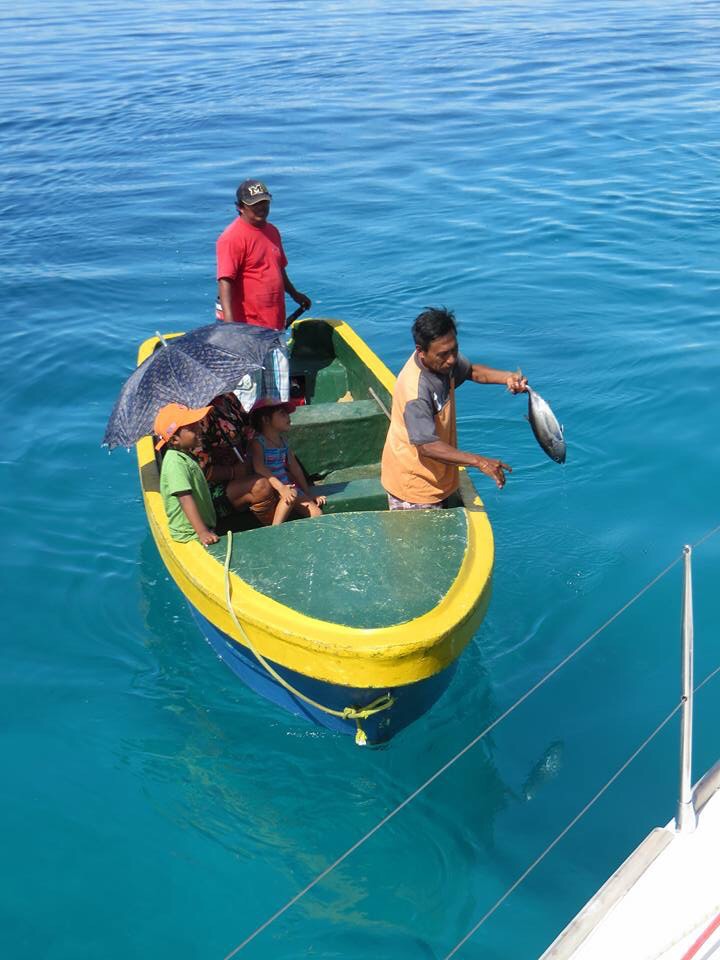
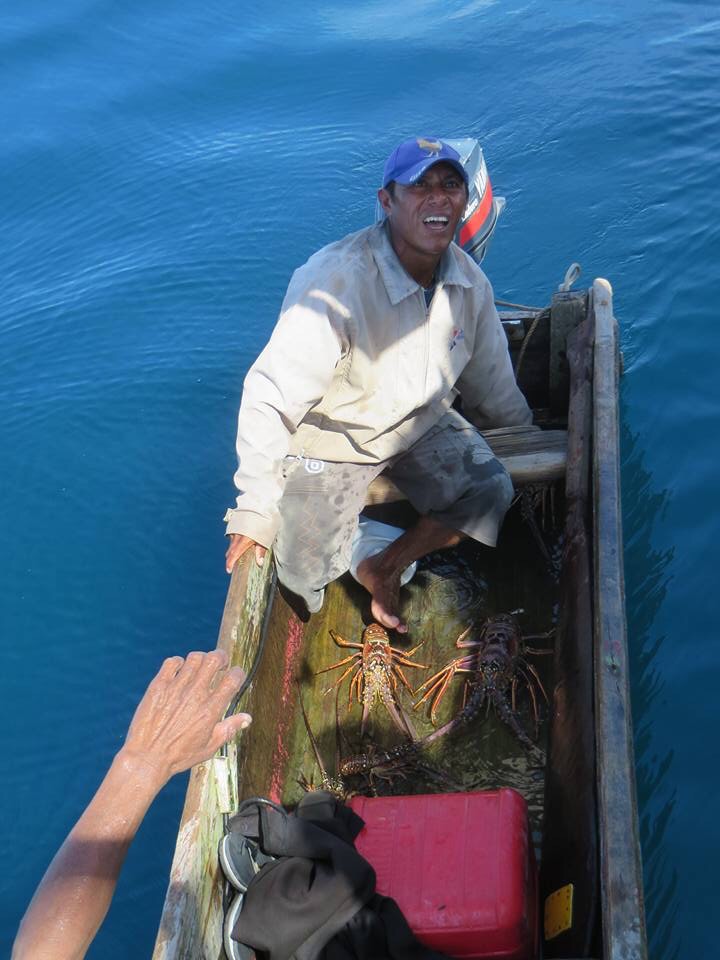
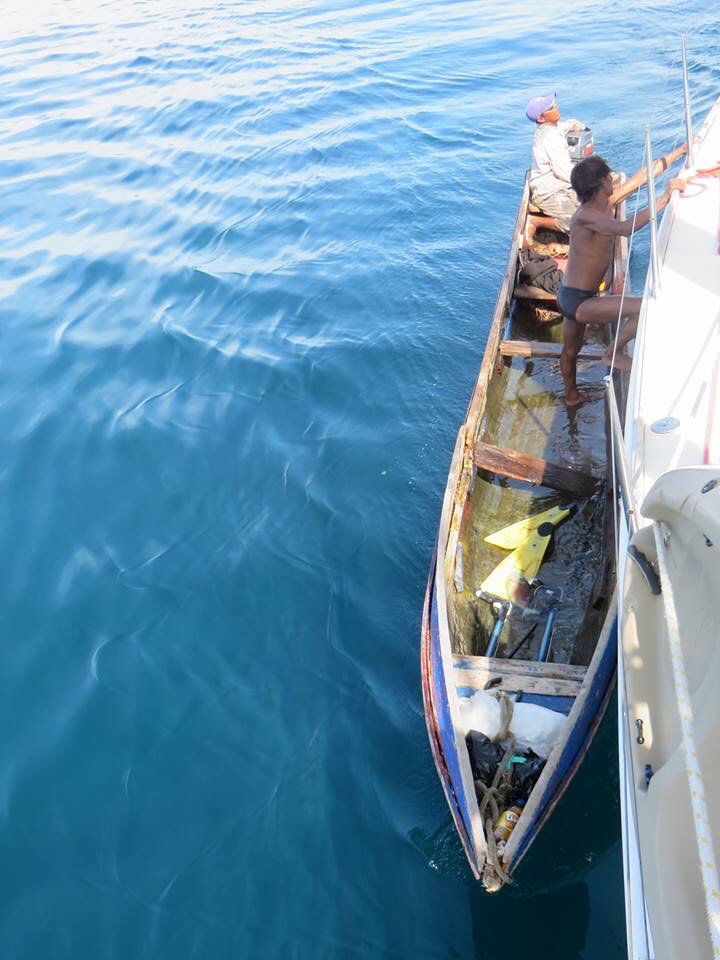
The Kuna then declared themselves part of Colombia, but the American government was worried that the islands would be used as staging points for a larger invasion, so the Panamanians compromised and gave the Kuna people a choice: allow outside contact on a handful of your larger islands, and we will grant you complete autonomy over the rest; otherwise, the government would allow the American navy to intervene. The Kuna people accepted and to this day maintain complete control over their land. Everything on the San Blas Islands and in the water around them belong to the Kuna; if your ship breaks down and the Kuna people come to your rescue, they will keep your ship. Even taking coconuts off the islands, which cost a dollar if bought from the villagers, will bring about about a $300 fine. As a result of their distrust of outsiders, those Kuna who leave the Islands are banished indefinitely, and ritualistic purging of those believed to have mixed blood has been known to occur.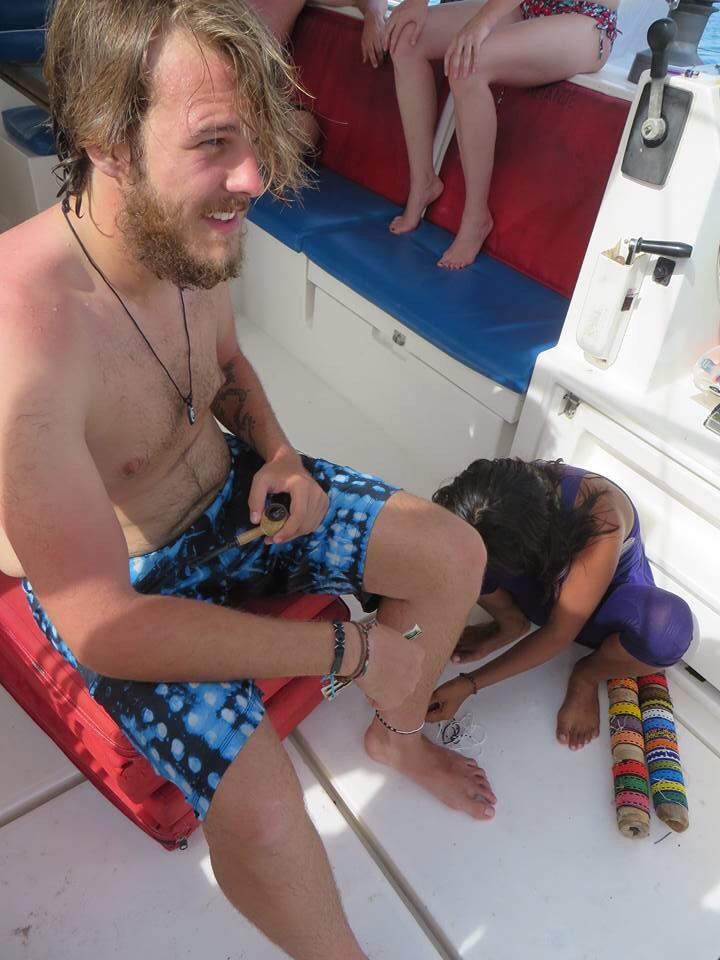
All of this was shared with me by Victor, the owner of Captain Jack’s, and a local elder who gracefully shared the inner workings of his people as his wife and daughters shared their craft bracelets with the rest of the crew. It was, quite possibly, a once in a lifetime conversation.
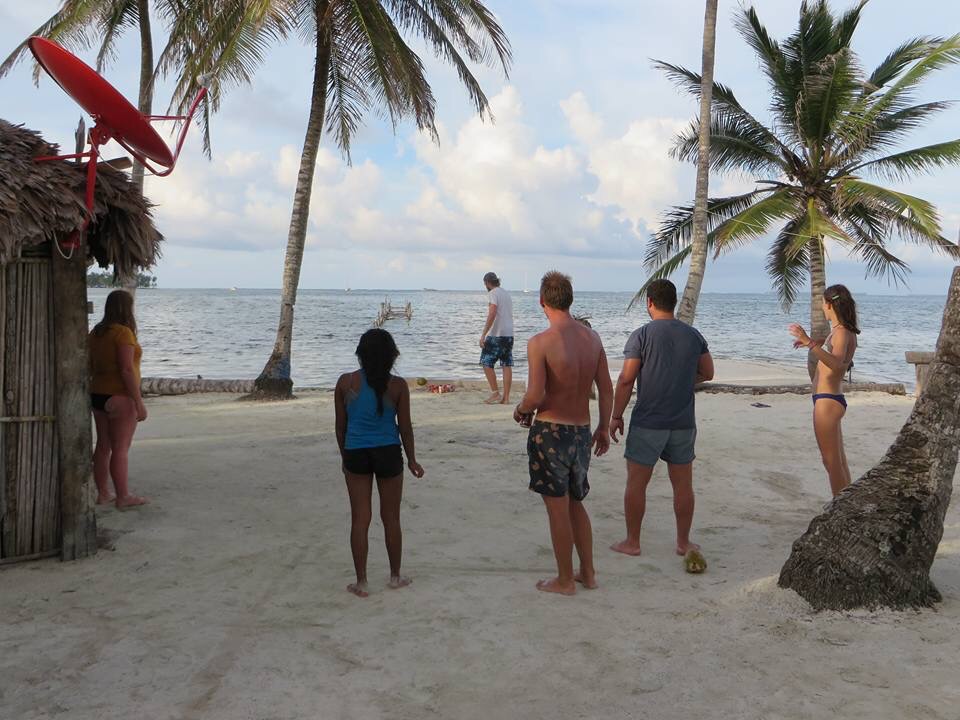
While intellectual conversations about the Kuna were admittedly depressing, our interactions with and among the people were wonderful. One evening, we filled up empty beer cans with sea water and rolled coconuts in an impromptu game of bowling, which we shared with the young boys watching and laughing with glee. Another night, several young women joined in a game of volleyball and promptly destroyed us – we joked that volleyball was the national game of the island. Muscular dogs trained to catch lobster in the surf played catch with our frisbee, and a dozen different canoes approached our boats to say hi and climb around the non-wooden boat. And there was snorkeling, and diving and so much drinking, and all in all my time in the San Blas Islands make up the kind of travel blog that people back at home get sick of reading about. Suffice to say, I will miss that place.
The last two days of the ride were not as enjoyable. Victor was determined to beat a building storm and sailed for thirty hours straight. I’ve never been sea sick, but the fifteen foot pitching, combined with the dark, damp and stuffy cabins, absolutely broke me. Before I move on to Cartagena, I want to mention Sofie, our French chef on the boat and VIctor’s first mate and young lover. I hope that you find lasting romance in California, but for heaven’s sake, Victor is not happy enough to be with someone as full of life as you. But I guess that’s why you’re going to California. Your patrons on the Amande wish you good times and great meals.
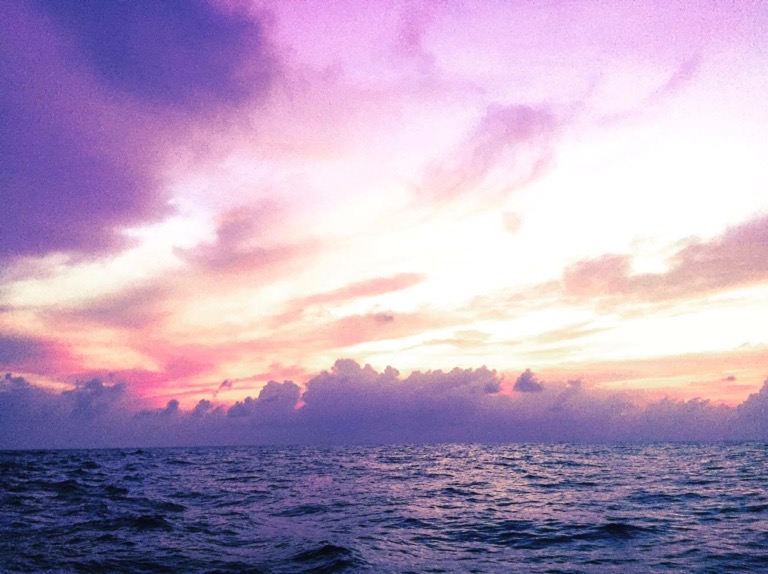
I want to write about Cartagena but I believe that it deserves its own post. Besides, the city is calling, and the locals say that Cartagena is best experienced at night.
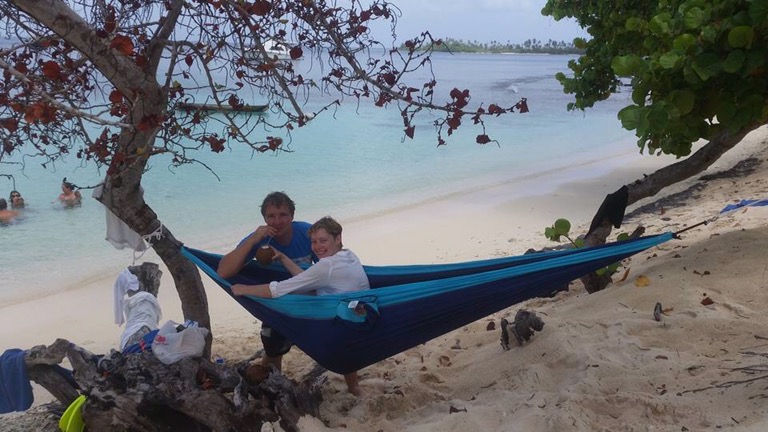
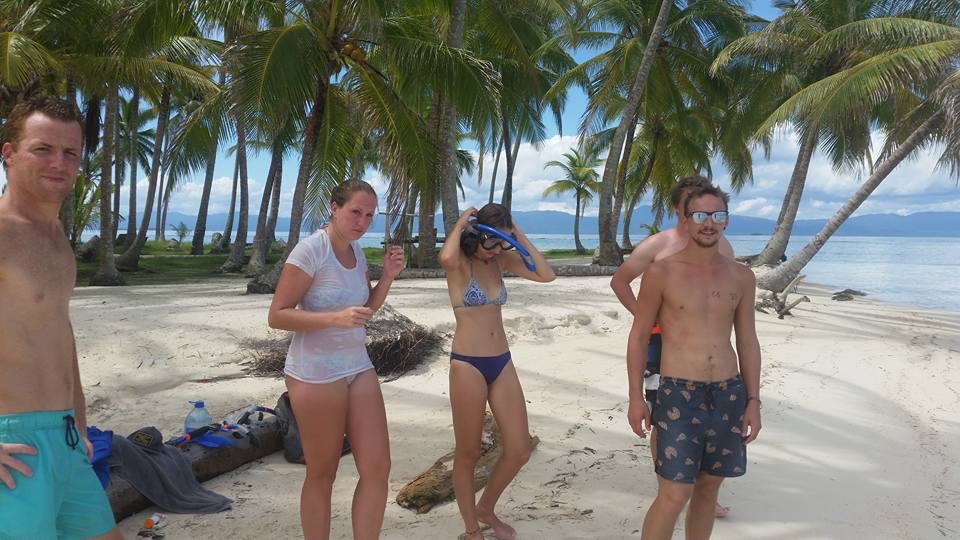
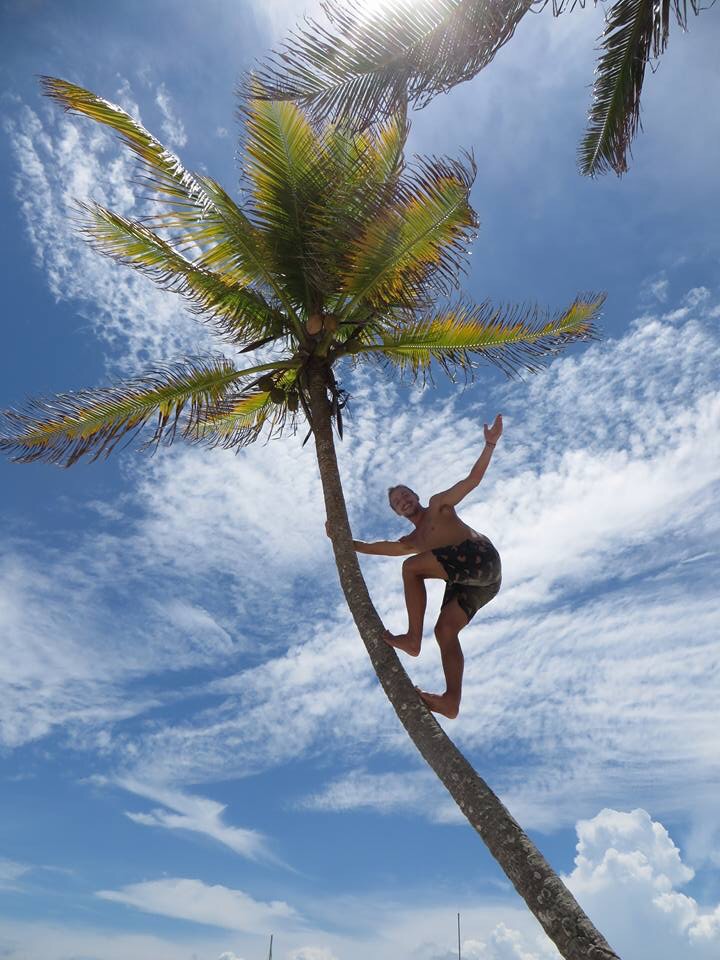
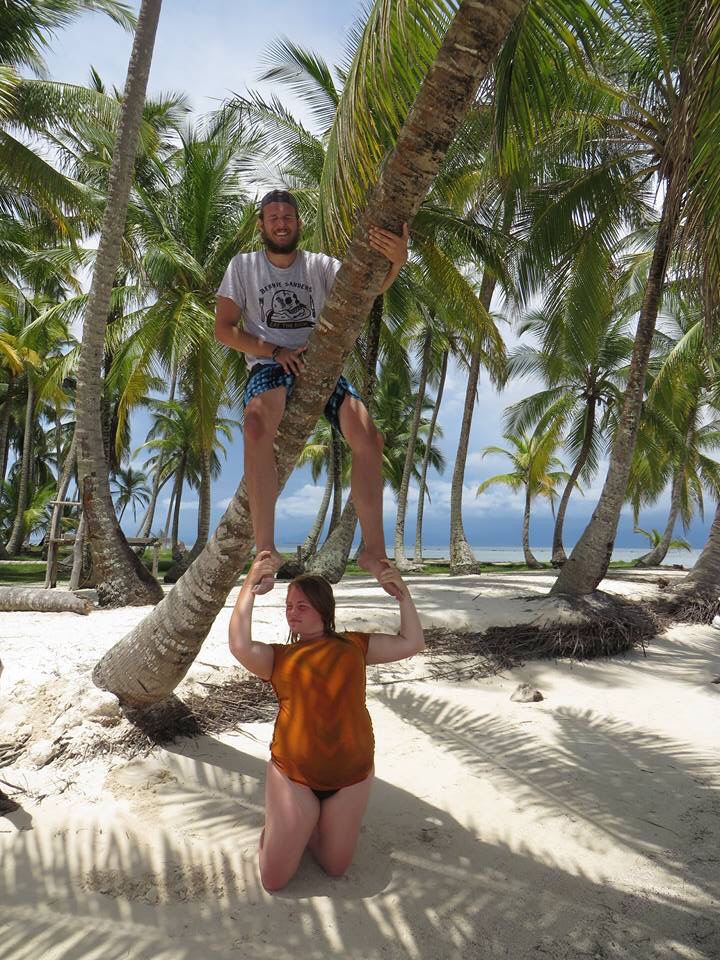
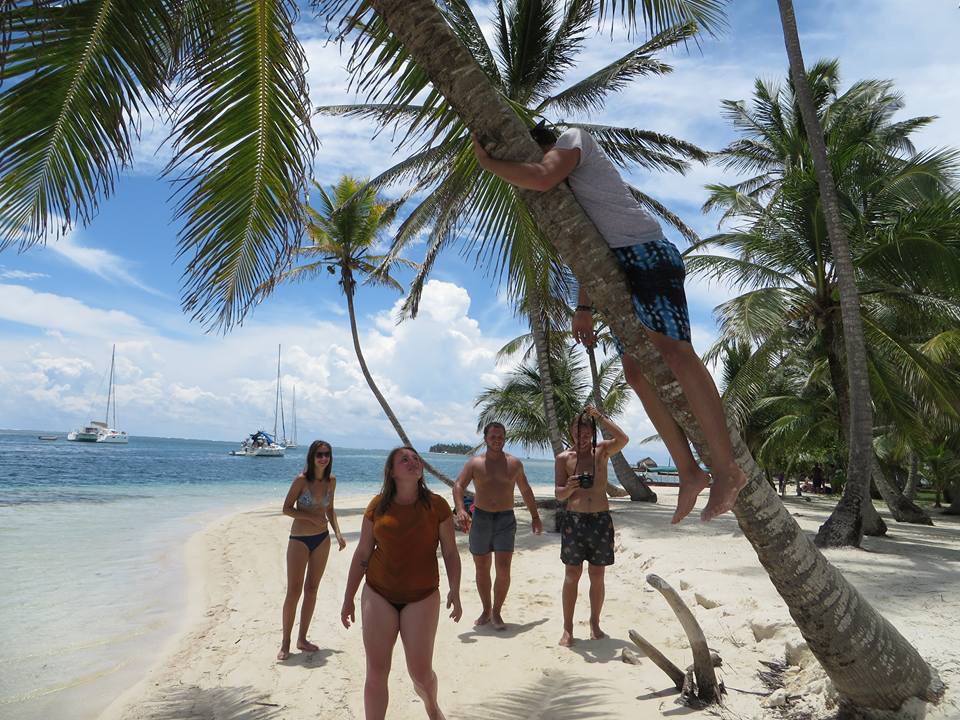
A few bonus pictures, taken by friends, in honor of the wonderful crew and passengers of the Amande:
 certification
Leave a comment