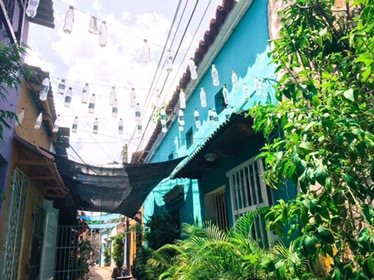
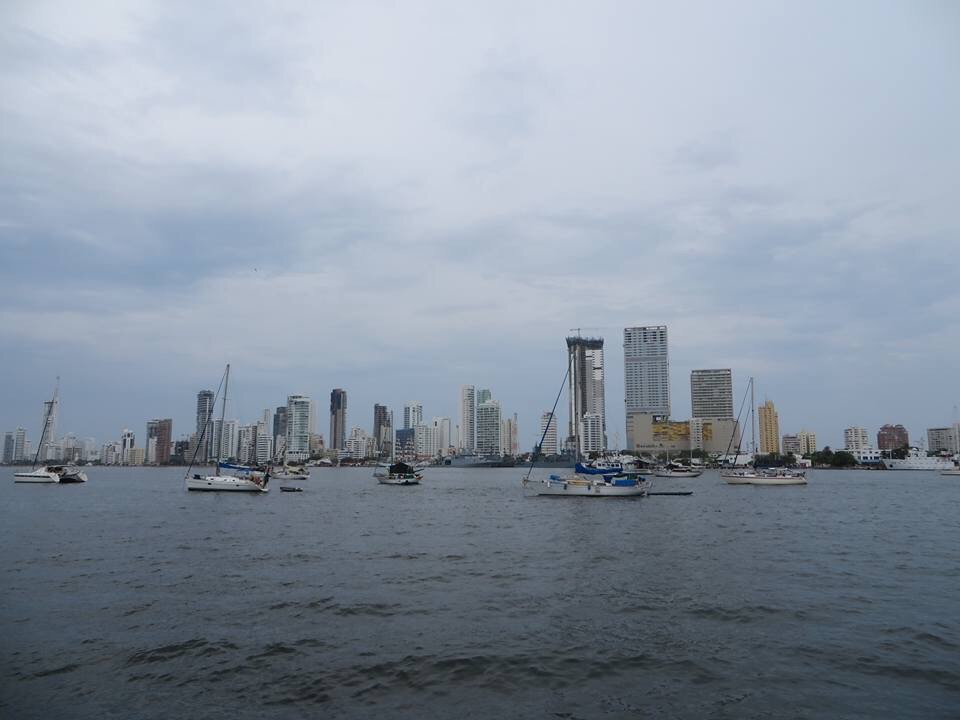
I can not think of a better introduction to Colombia than the city of Cartagena. Brightly colored tight streets weave through diverse and growing communities, sweltering with the Carribean heat during the day and igniting with a goldenrod sunlight in the evening. Avenues are full of tourists buying delicious empanadas and ignoring (or not) the cat calls and cocaine solicitations that add to a chorus of sound throughout the day. People here are proud – proud of their families, proud of their neighborhoods, and proud of the strong steps made by their homeland in the years following the worst kinds of guerilla and street warfare. Colombia has promised us an unforgettable journey, and Cartagena is a hell of a way to start that story.
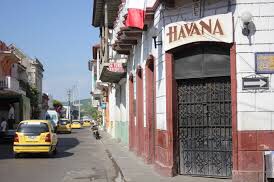
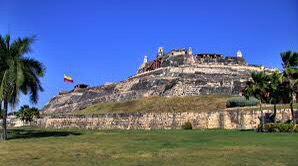
Molly and I are staying in Getsemani, a hostel-packed district characterized by a wall built by slaves to protect the “entrance to South America.” This wall has survived for centuries, encouraging a heavy degree of development (and discouraging an efficient traffic system) as bars and churches populated the region. All of the roads are one-way, but the lanes are more appropriately understood as suggestions and bicyclists mix with legions of taxis that make any street crossing a heart stopping affair.
Getsemani has grown dramatically since a lasting peace was reached with the FARC militia in 2008. Before the peace, Getsemani was known for its prostitutes, gang violence, and drug dealers, and the surge of development hasn’t completely stopped the historical economic keystones. Across from our hostel, the same four women grope passebys and joke with the construction workers who frequent their corner. Walking down Media Luna, the main bar street of the barrio, literally dozens of young men shout “cocaina” at the gringos who respond with a mix of trepidation and knowing grins as motorcycling police weave through the throngs of drunk adventurers. Police here are very particular with their enforcement; drug dealers tip off the police to their underpaying or gullible customers, the police intimidate tourists (an honestly hilarious scene to watch for everyone but the mortified drug user), and then the police collect bribes. It’s a very efficient ecosystem that infringes on Western ethical norms while thinning out the number of drug-using travelers and harshly punishing the dealers who step outside the system by selling drugs to children.
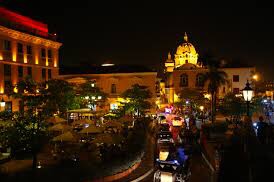
This may not seem like a paradise, but it is. The world of Cartagena is lively and yet dark. It is the center of Afro-Carribean culture in the country, proudly embracing a history of slave revolt instigated by Pero Romero on November 11th, 1811. The city was the first major Spanish possession to revolt against the crown and set an example for neighboring provinces while severiouly harming the economic viability of overseas imperialism. Imagine if there had been a successful slave revolt in New Orleans at the same time; the entire Southern economic system would have collapsed long before the Civil War as the slave-produced textile industry would have been unable to find a viable port for exportation. Cartagena’s port was the source of 50 times the amount of trade that New Orleans accounted for – understanding the passion and pride that Colombians have for this city is incredibly easy.
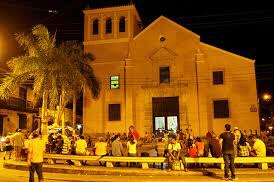
In stark contrast to Panama City, Cartagena was not raped by the overpasses and expressways that installed the de facto ghettos that we saw two weeks prior and which are familiar to anyone living in a large American city. The culture has been preserved, and local gathering places (such as Trinidad Square, a tight and lively courtyard outside of an abandoned church) feel safe and familial. Life has grown here, through the cracks and in the shadows, like resilient weeds; but instead of culling this organic progression, Colombians and Cartagenians have let this growth touch every wall, corner, and alley of their home. The effect is beyond comparison to anything I have seen in the States, and yet I have a feeling that it only for tells the next few months of our stay. I cannot wait to put that idea to the test.
Tomorrow will be an adventurous day; we will be taking a street art tour around Getsemani with a local artist before attempting to discover an affordable laundromat and enjoying a free salsa dancing lesson in the evening. If we’re lucky, we may have secured our first true interview as well. I’ll stay in touch.
 certification
Leave a comment