
Friday 1.7.2016
Cartagena has a gorgeous seaside, buttressed by a historical wall and sharing the sound of crashing waves with denizens of her cobbled streets and fast evenings. Medellin rests at the bottom of a valley, awash in silver light and low clouds while creeping up the sides of green valleys. Manizales offers an unprecedented view of mountains, so many mountains, in so many directions, that one cannot help but feel like they are on top of the world.
Cali is flat.
Cali is hot.
Cali has a lot of traffic.
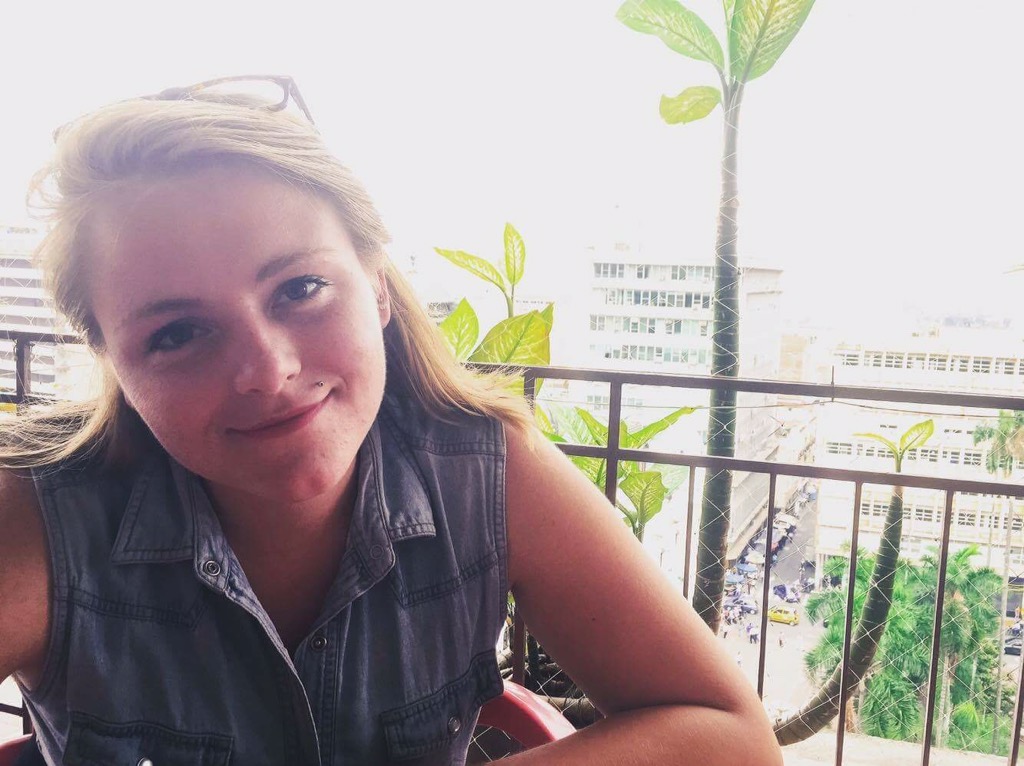 Our bodies were still recovering from our arrival, and the unspoken fear of another potentially hellish trip to Ipiales the next night loomed over us as we ventured out in the morning. The goal was to find a camera repair store and fix Molly’s camera, which was damaged during a particularly merry hike around the Kingdom with Marjorie and Andres, and maybe go to a modern art museum in the afternoon.
Instead, we found a camera repair store, enjoyed the momentary, pervasive thought that everything was finally going our way, and then realized that we were out of money. Not just out of money – our cards were frozen and we couldn’t withdraw from our savings, meaning that we were “those Americans” who inadequately planned for financial woes. After the bus rides we had endured, you would empathize.
We resolved our issue and managed to retrieve the camera. But in a way, the experience helped illustrate a lesson I was learning in Cali and all of Colombia; unlike Europe, which enjoys the fruits of generous international tourism and a reputation for domestic stability, Colombia is not built for non-Colombians. We had read about the seeming obstinacy of Cali, the city which “didn’t care whether you liked it or not.” The rumors are true. Cali is a city made by Colombians for Colombians. We aren’t supposed to feel welcome and Cali could really not lose any sleep over the fact.

The rest of Colombia seems to soak in the international attention brought on by tourism and a globalizing economy. Cali is disdainful of this changing cultural environment. People dance because they work twelve hours a day and the evening is cool enough to socialize. They don’t dance because us Americans appreciate the exotic nature of their movements.
We asked our taxi drivers if it was safe to walk back to our hostel from the camera repair store. “Are you from Cali?” “Well, no, we live in Florida.” “Then it isn’t safe.”
That exchange should provide enough explanation, and adeptly summarized our few long, hot days in Cali. After yet another day of fruitless toil in the salsa capitol of the world, we had come to respect the grime and character as authentic. That didn’t make sleep any less welcome.
 certification
Leave a comment