Monday 4.7.2016
I’m in Lima now, finally getting over a cold that has not made the past few days very enjoyable. Time to play catch up.
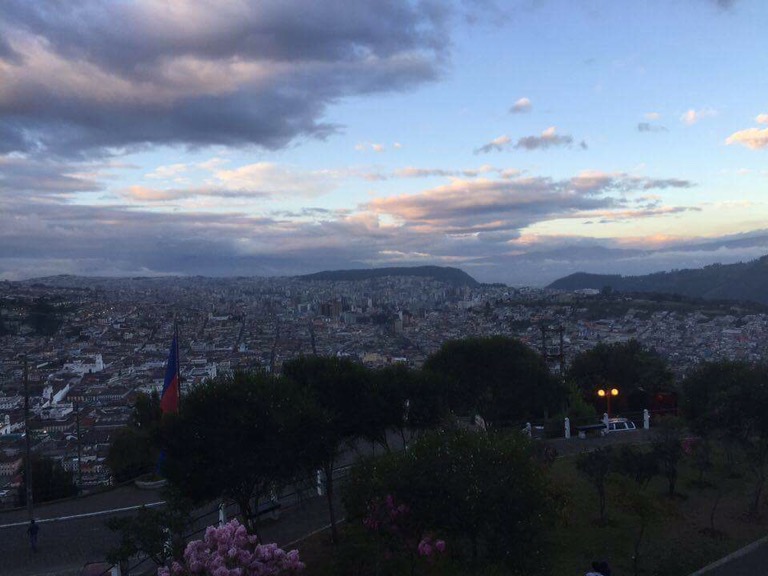
Quito is a funny city. At 2 million people, it is a small metropolis situated in the shadow of a volcano with a historical penchant for destruction. Earthquakes plague the geography, recently scarring the coast in 2014 with a tremor that damaged part of Quito’s endless flat barrios. Like Medellin, Quito bends up and down slopes as far as the eye can see, but the density of the slums is mind blowing. Taking the bus in to town, Molly and I had the chance to watch something evolve that we had never seen before: the Ecuadorian countryside, pickled for hours with metal shacks and outdoor water pumps, simply conglomerates and gains density the closer we came to the “city.”
We’re noticing a pattern in the larger cities we’ve stayed in thus far. In the United States, most major metropolitan areas have a number of suburbs from which workers from the city live. These suburbs vary in class, function, and age, but they support the central city with industry or by alleviating the pressure of rising housing costs that are the norm in major American cities.
This suburb-downtown relationship doesn’t exist in Quito, Cali, Medellin, Panama City, or (as we would later learn) Lima. The downtown portion of these cities contains factory and financial regions, high and low housing prices, and political and social hot spots. “Suburbs” are not as ubiquitous as “slums;” remarkably poor neighborhoods which house people at e cexceptionally low prices in areas that are dependent on the central city for support. Slums are not pretty, nor do they have familiarities like parks, libraries, police stations, and often access to basic utilities. They often rise above the cities that we have visited, starkly noticeable from any vantage point of the lower-altitude downtown areas, which has the effect of reminding visitors and residents alike of the pervasive issues that plague their homes.
What makes Quito a funny city is the colors. Unlike those other cities, with slums that present themselves to viewers like a blight, Quito’s slums are awash with quirky pinks, oranges, blues and purples. Driving in to town we couldn’t help but compare the city to Cali – with sprawling slums that reminded Molly of a darker LA – and constantly remarking on the life that inhabited unfinished and forgotten concrete homes, numbering in the thousands in every barrio. Each of those homes had a paint job.
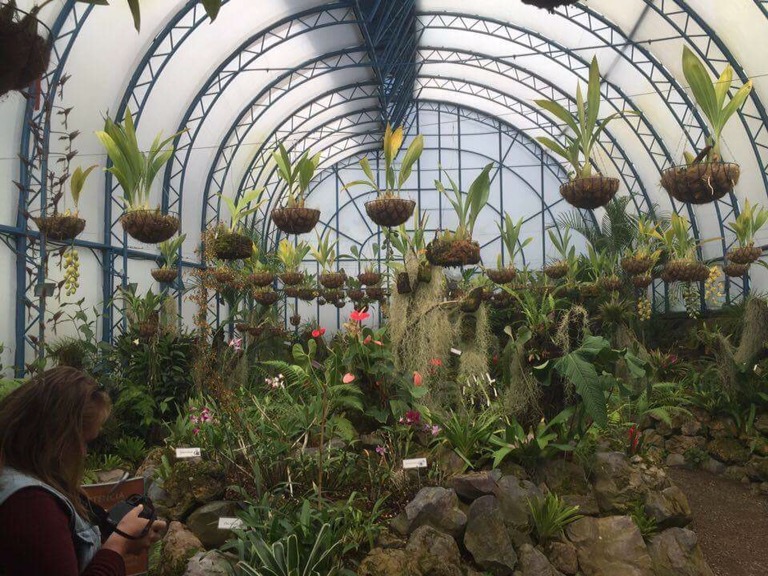
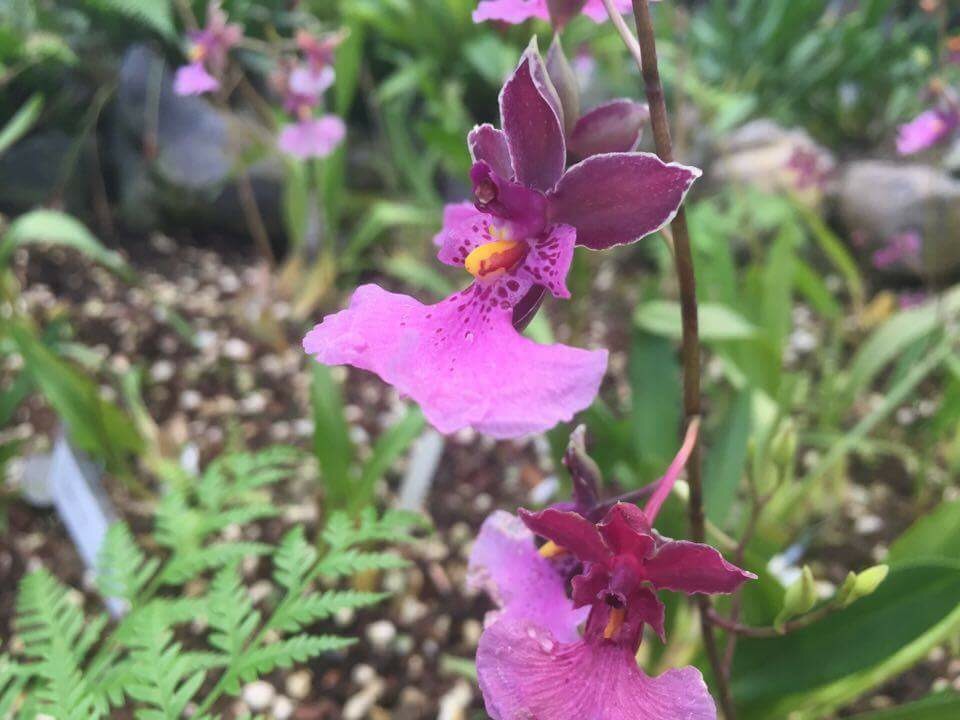
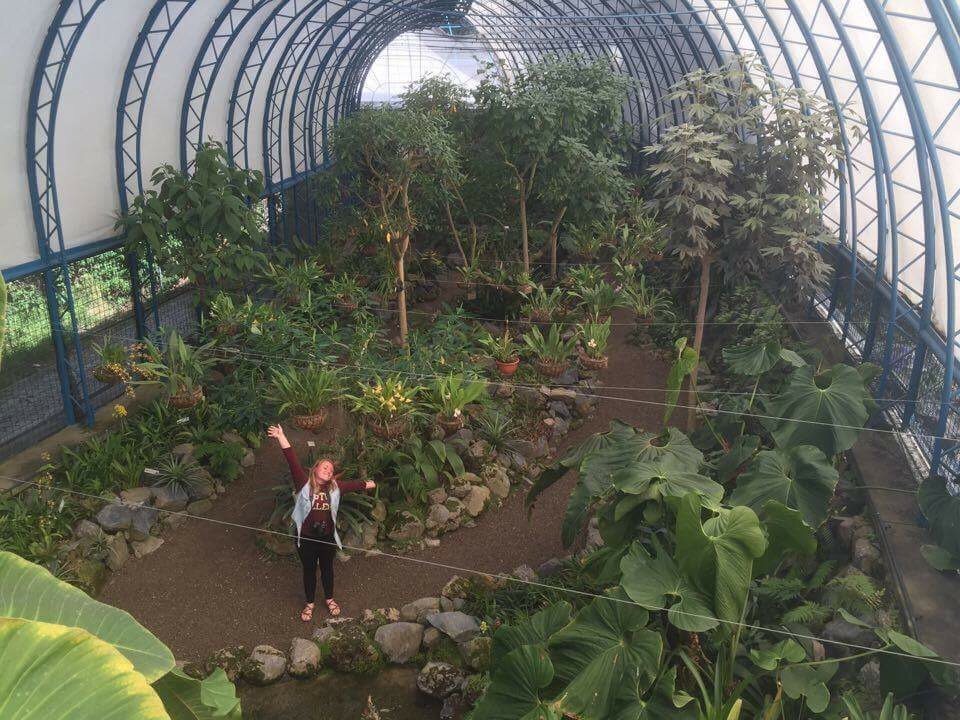
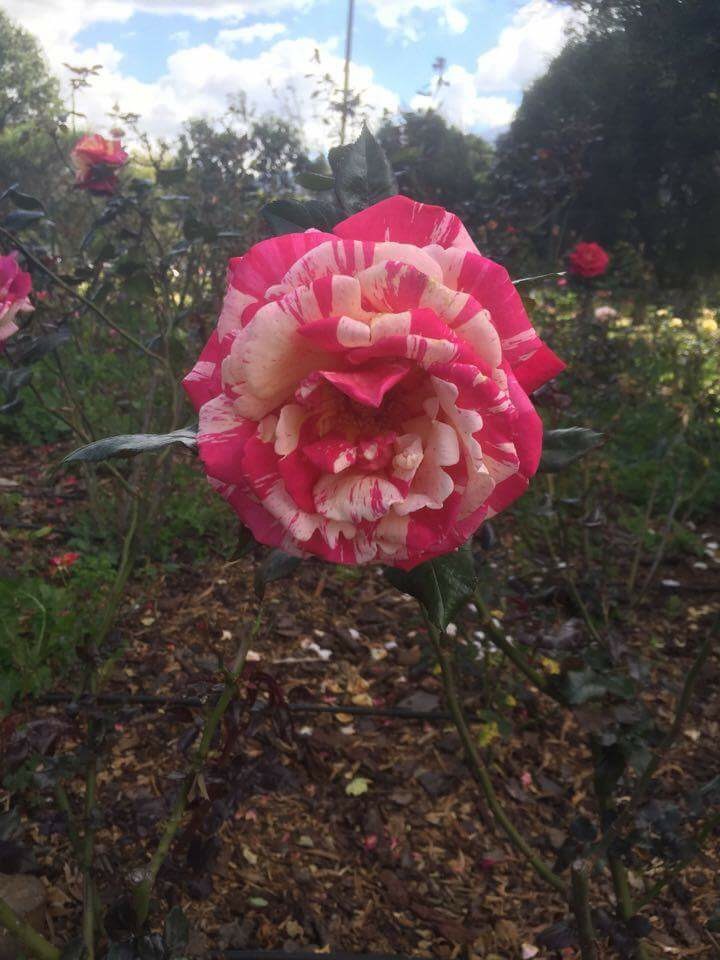
We started our first full day in Quito exploring the Botanical Gardens in the city’s modern New Town. The gardens are a prize for the city and the country, which boasts a burgeoning amount of biodiversity and puts them on display in the massive zoo-for-plants that butts up against a well-populated Central Park. The gardens are massive: twenty different distinct ecological habitats with names like “Carnivorous Plants” and “Mystic Remedies” kept us inside the Garden for three hours. I have never seen the variety of plants on display at a uplink in my life; each turn in the wooded walking section showed us a new flower (often an orchid – Ecuador has the largest variety of orchids on the planet) with bright hues that had us stopping for pictures and wondrous, longing looks for minutes. Cactuses the size of pine trees, with needles the length of a baby’s forearm, held our fascination and made us long for the sandy dunes of Crestone, Colorado where he had been an impossible month and a half ago. Most striking where signs that promised a three year minimum in jail and a fine equivalent to three years of a salary if any endangered species were damaged. Molly and I kept our hands to ourselves.
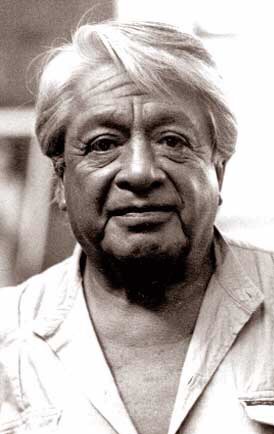
The second part of the day was spent in the Oswaldo Guayasamin Museum, the former residence of Ecuador’s most famous politically-charged painter and sculptor (pronounced Guy-ah-suh-men). The tour was amittedly terrible (the tour guide had a hard time corralling us through the rooms of a home that was simply much too fascinating to rush through) but the subject matter was unbelievable: Guayasamin was a prolific, visionary, and controversial artist who truly poured his life in to his work. His studio was recreated to display several unfinished works of his life, and the walls were covered in pictures depicting the artist with Mao, Malcom X, and Fidel Castro, whom Guayasamin praised until his death in 1999.
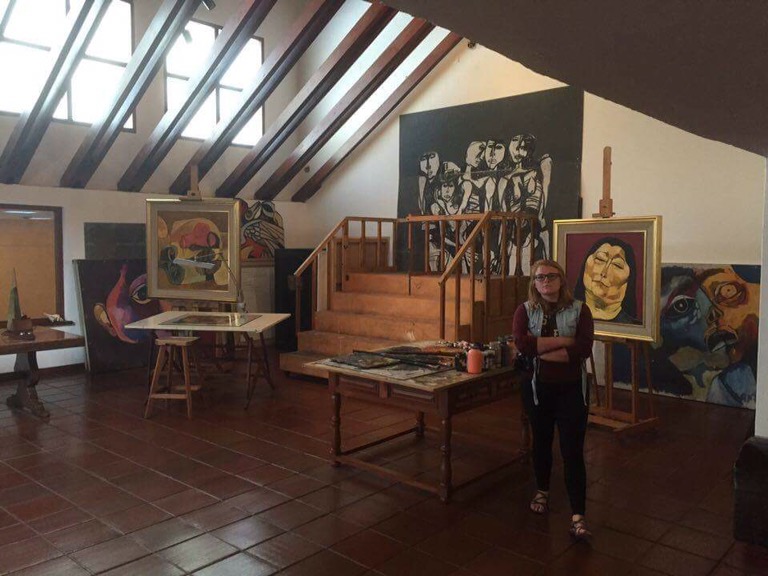 Guayasamin’s art is profound because the artists let the political and social development of his country affect his subject matter and even his style. His earlier work acts as a biographical summary of different identities within Ecuador, and his portraits depict sadness but also an impersonal and apolitical gaze into Ecuadorian life. His middle period, the Period of Terror, captures the oppression of the United State’s involvement in Latin American states by focusing subject matter on victims of corrupt governments and aggressive armies while stylistically taking on a much more deconstructed and symbolic tone. His last period, the Period of Joy, depicts his hope for the future of his people in the form of selected virtues personified in symbolism-heavy scenes.
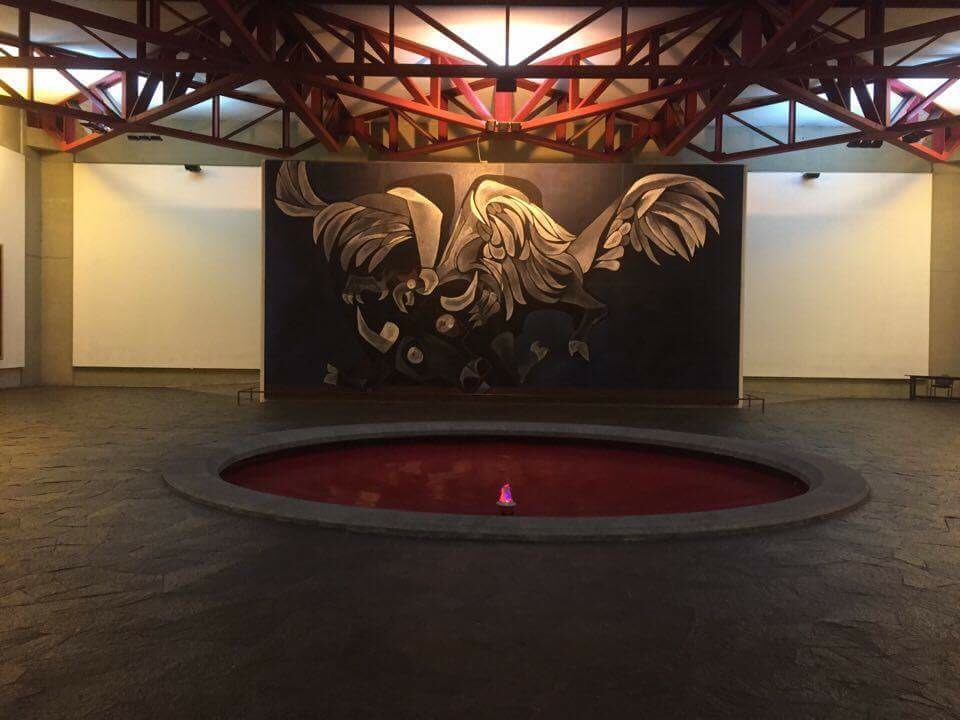
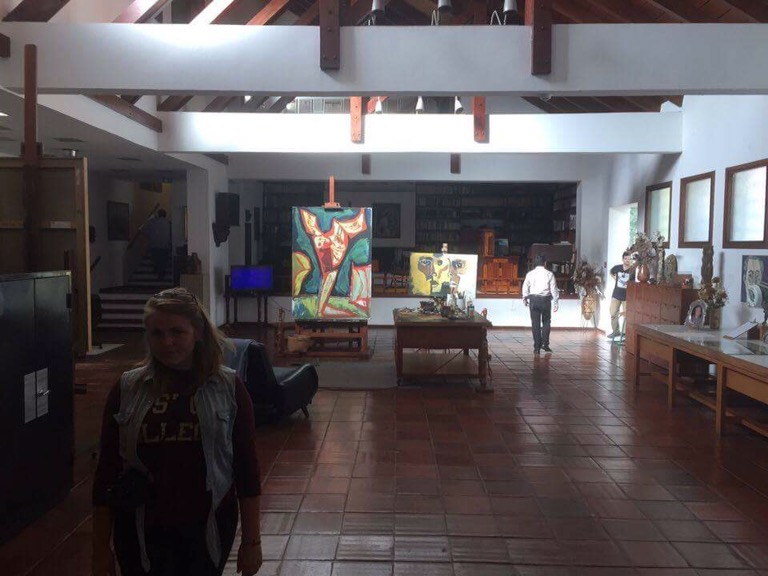 The crowning portion of the Guayasamin Museum was the Chapel of Man, a blunt structure outside the artist’s modernistic and well-elevated home that housed Guayasamin’s largest and most impactful works. The first floor is a spacious and breathtaking space which flanks viewers by way of stark, forceful, and massive murals. The bottom floor, however, is less of a chapel than a Sanctuary, containing football-field sized paintings that require little interpretation. The entire structure attempts to show the suffering inflicted by our fellow human beings while still glorifying the strength and love that allows us to overcome that suffering. His art certainly gets the point across.
 certification
Leave a comment