Thursday 7.7.2016
We couldn’t leave Guayaquil quickly enough. We were on the bus by 7:00 am and had bunkered down for a long trip to Mancora with a potentially difficult border crossing in Tumbes, on the border of Ecuador and Peru.
It’s hard to describe how excited we were for this part of our trip. Between the other three countries we’d spent time in, Peru has the reputation of being a haven for backpackers, beach goers, and generally a wide assortment of adventure seekers. The food, which a sniveling French traveler informed us would be joining French cuisine as a UNESCO heritage site (however that’s possible), promised to break up the litany of rice, beans, and chicken that was a staple of our trip thus far.
More importantly, Molly and I were ready to have fun. Guayaquil has about as much fun to offer for the passing traveler as an auto parts store, and Quito was exhilarating but impeccably calm/slow. Ipiales was a nightmare and Cali didn’t exactly offer us a wonderful experience. Since Manizales and Guillermo, we had been missing the leg-quivering thrill of true immersion in a strange, complex, and beautiful place.
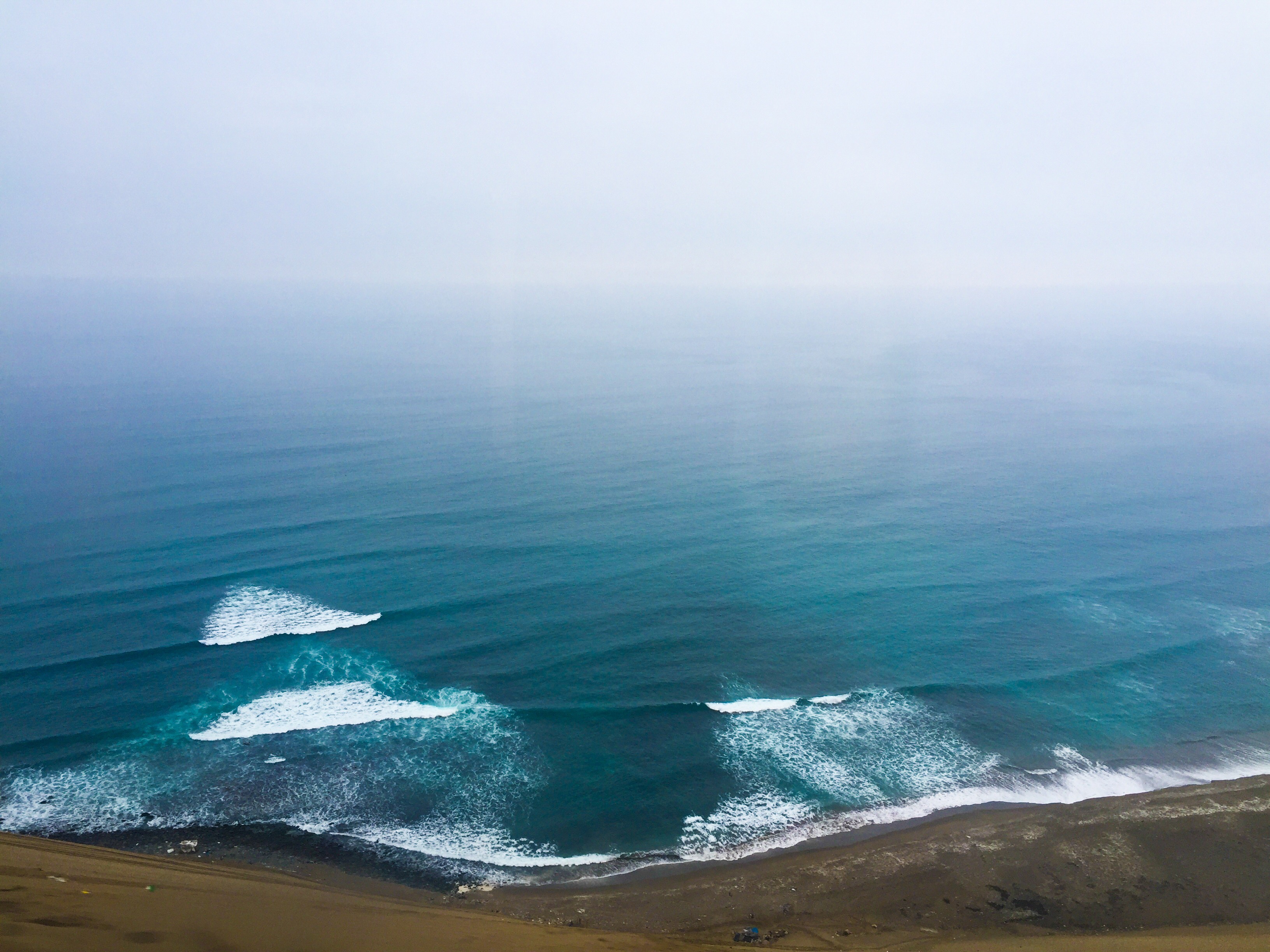
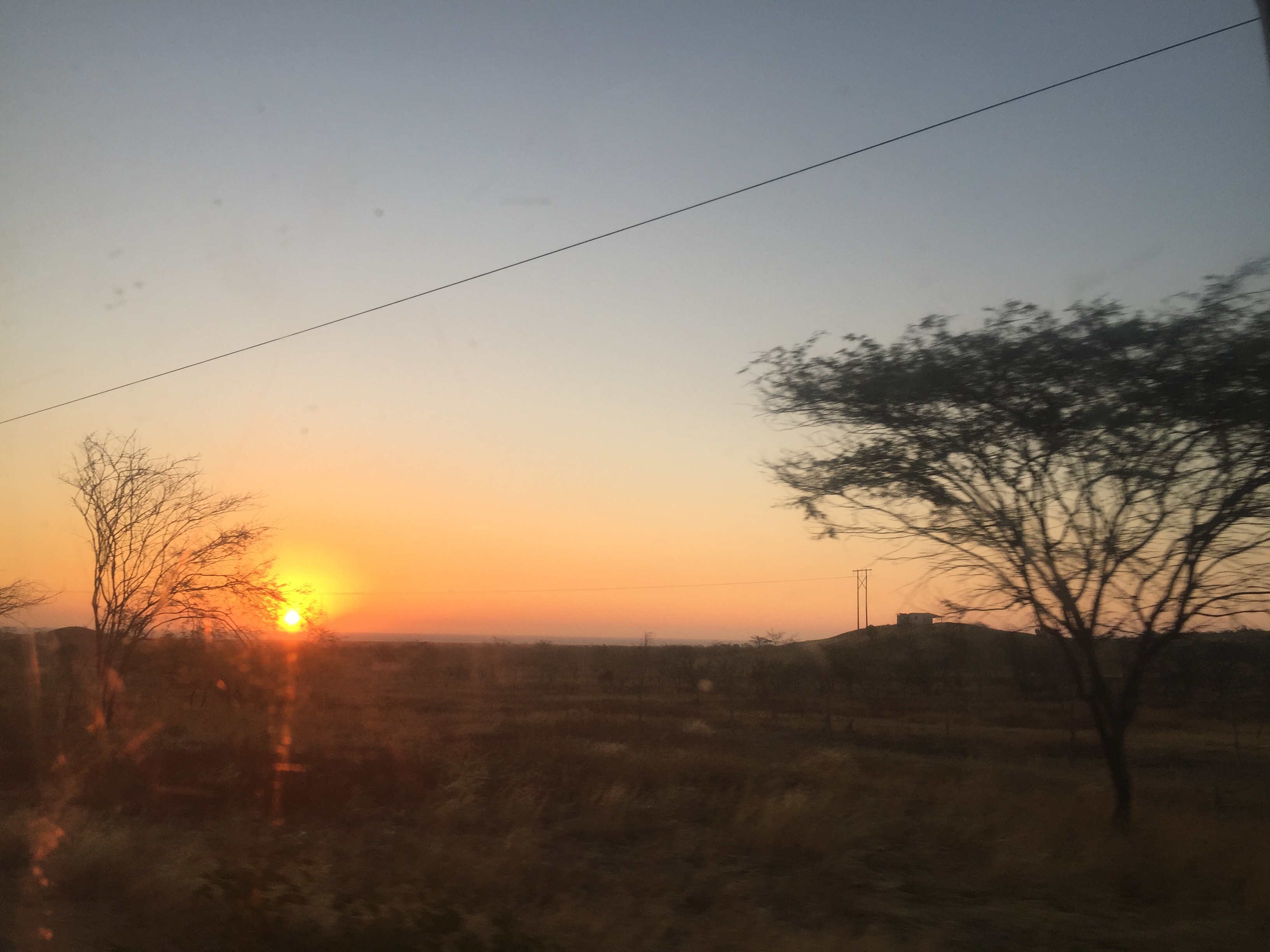
The geography of Peru struck us first. Out of the lush, green canyons that seemed to characterize every inch between Ipiales and Guyaquil appeared a desert unlike anything I could imagine. Tumbes was something out of an old western movie: dust, so much dust, encroached upon the tiny village, littered with abandoned schools, homes, and retail centers. Swimming pools had several feet of dust visible from the road, and the lighting was dramatically warm and yet staggeringly diffused, sparing no inch of the town from the oranges and reds of sunset. The border crossing was simple enough (it looked to be about the most boring job ever, which was stark compared to the military precision of customs in Ipiales), and the modernistic processing center stood in stark contrast to the seemingly endless sand dunes that characterized the region.
In the distance one can see the pale blue shadow on the horizon betraying ocean, and as the bus continued on our view was flooded with dreamlike fog rising off the Pacific, obscuring massive, primordially-sparse tan cliffs that looked to have the texture of wet sand repeatedly nuanced by gentle waves. In the distance it was impossible to tell the difference between the sea and the sky, an effect which – added with the shadowless desert and lack of breeze – gave the entire environment a dream-like feel.
Tumbes proper was a blur: rickshaw drivers blitzed the opening bus door, led us to a small “tuk tuk” and promptly carted us to the “bus terminal,” a garage caked in dust that housed a large black van. Dozens of voices simultaneously directed, scolded, and laughed at us as we struggled to get in the van, our bags being peeled off our backs like zombies ripping boards off a window. Comfortably seated on what I was convinced was an overturned paint bucket, we kicked up dust as the 14-person full vehicle took the one road out of town and carted us to Mancora two hours south. The sun set along the way.
Mancora gave the impression of a habituated northeastern board walk, and we found the personal tuk tuk driver that our AirBnB host used for transport around the area. We were carted off to our beachside palace, met our host, and stayed up all night looking at the stars.
 certification
Leave a comment