Friday 8.7.2016
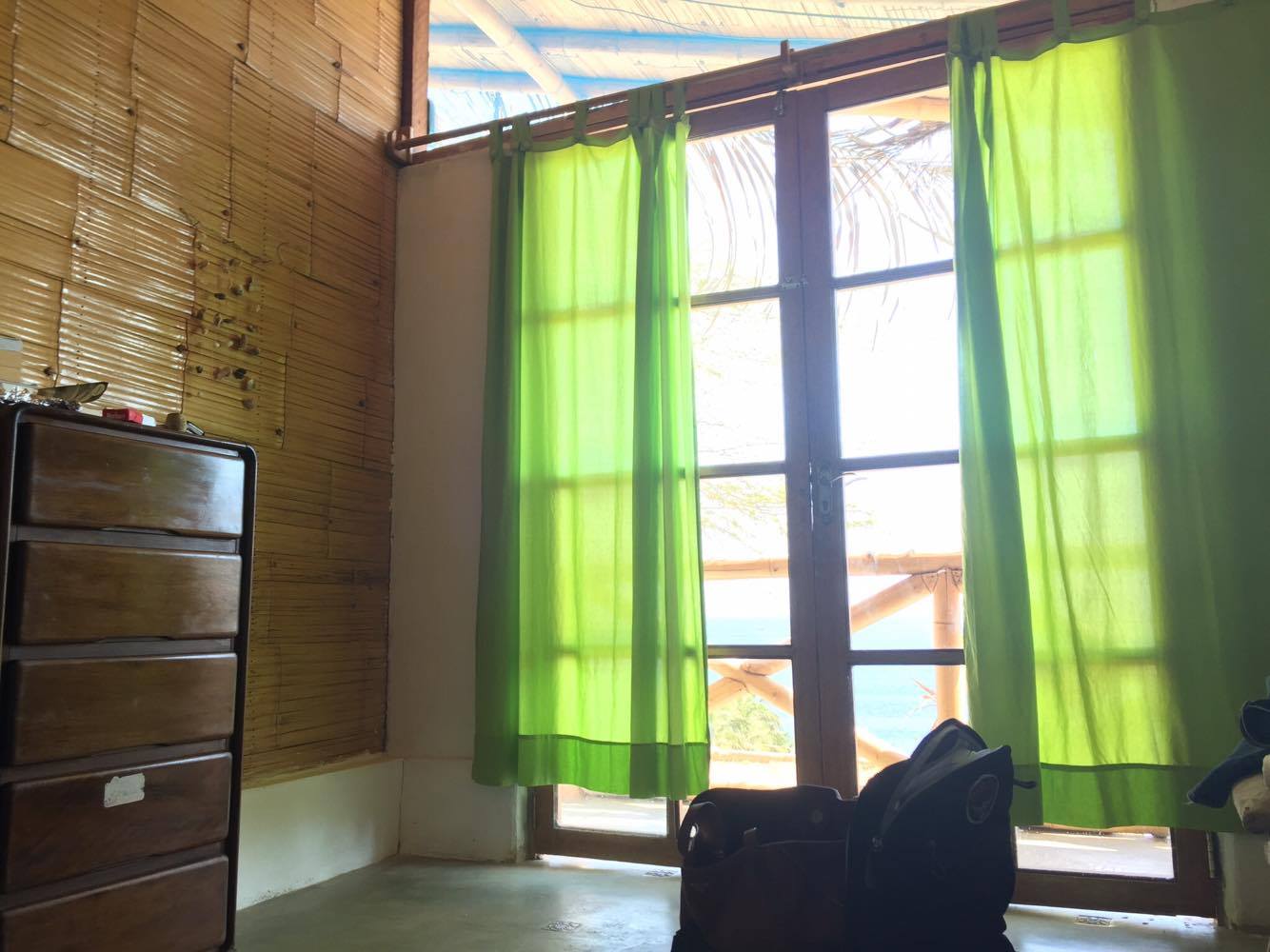
Imagine thin green drapes coloring morning light as the first image of your day. Before the drapes is a white room, indescript; beyond the green is a seascape lit more clearly than though possible, with waves defined miles away from your window and a barricade of palm trees hiding the shore from view. The indescribably heavenly sound of surf in the distance, beckoning us like an old friend, mixed with the heavy warm wind and the chatter of gulls.
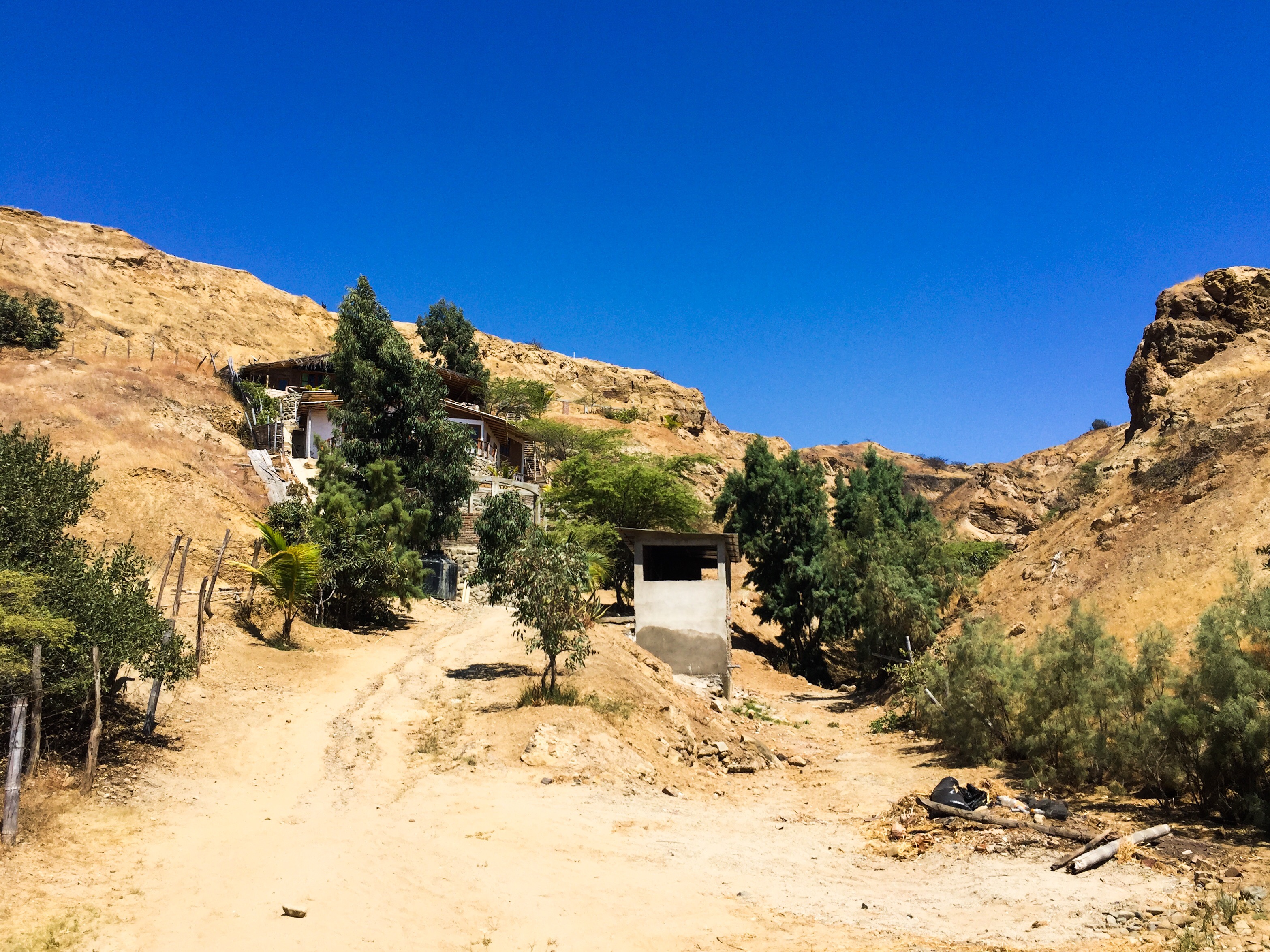
Mancora itself – down the steps alongside Giovanna’s guest house being rented out for nothing, following a ride into town on the rickshaw of Poncho, the family driver and quite simply the funniest old man I have ever met – is like what I imagine Jersey Shore may have been like. The town has the kind of aura I thought was isolated to memories of 1950’s Americana, where nuclear families of four had a car and everyone on the block was friendly and the good guys always won. Everyone here was smiling, and while it is impossible to separate from my conscience the effect of being a white tourist in a brown town, I cannot discount the shocking glory of this place.
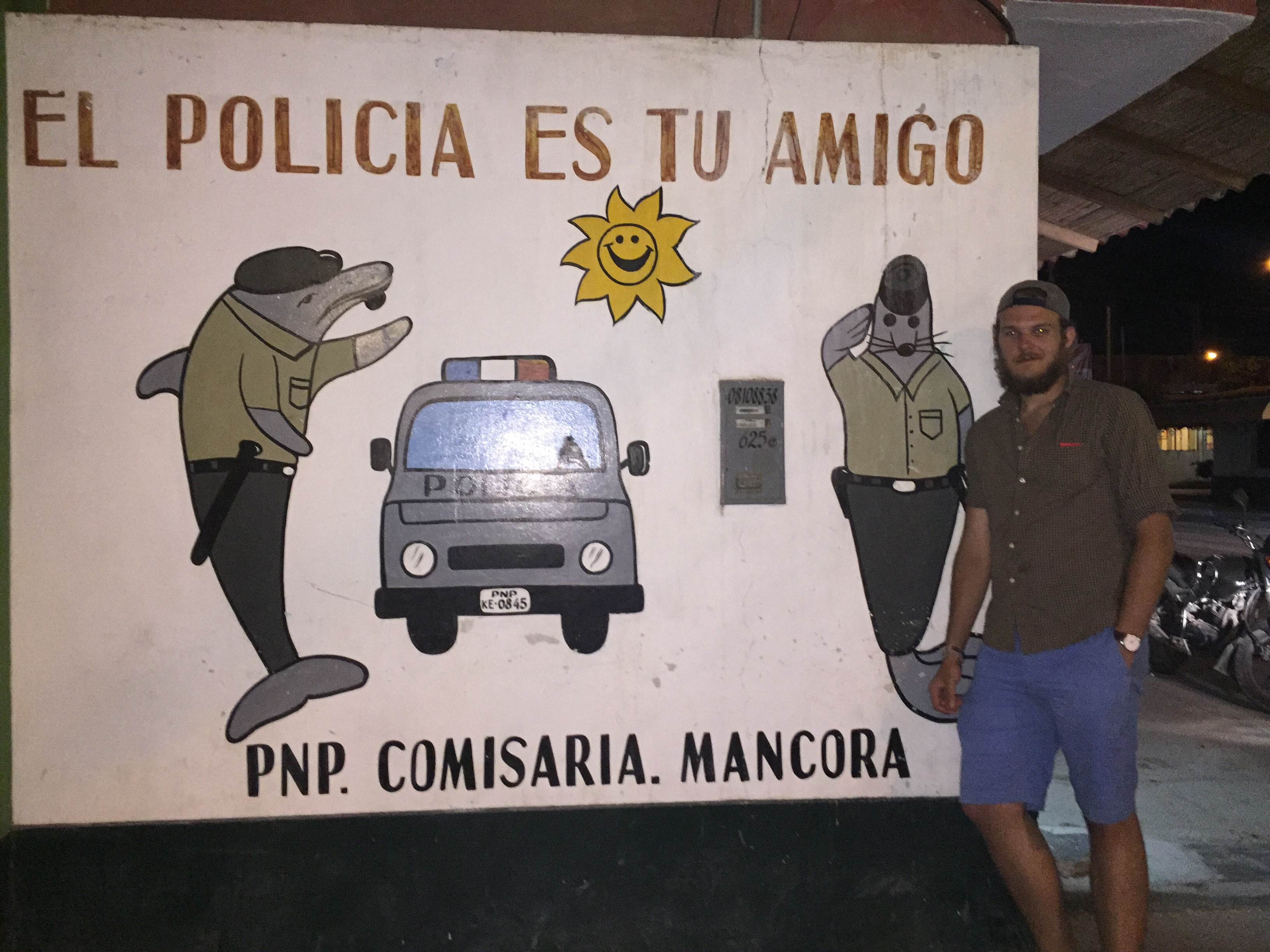
Salt kissed the lips in every alley. Sand from the beach littered the front door of every store. Sea breeze gently teased doors open and playfully knocked them against their frames. People here smiled because they lived in a beautiful place, worked with happy people, and ate incredible food. They smiled because they were happy.
My impression of Mancora framed my impression of the rest of Peru. The dreamy air of Mancora and the deserts filling the northern third of the country created a cultural vacuum in the remaining two thirds of Peru, in which the Incans could peacefully thrive and the Spanish could later isolate their viceroyalty from neighboring strife. Peru is a geographically diverse country that, like Colombia, seems unquestionably hobbled together; if not for the force by which the Spanish pieced together their New World Empire, it is difficult to imagine Mancora and Lima occupying the same state. I am tempted to look at pre-Spanish Latin America as an example of complex societies that escaped the materialism-driven conquests and industry of European examples.
Examples of pollution are everywhere, with no real garbage collection in Mancora and smoke from trash-burning fires rising every night. Historically, Peru was a space for raw materials to be extracted, not a “country” in the sense that this geographic factory exemplified a strong civil society. Peruvians were thusly detached from their land (as they had no rights to it under Spanish ownership) and not tasked with preserving her future. You can see the effects that generational disenfranchisement has on northern Peru when you see the trash fires; unequipped with the rights and the tools to control their home, the monstrously large poor castes in Peru never developed a social infrastructure that valued preservation. Whatever value for preservation they had was dislocated with the fall of the Incan Empire.
Maybe this characterization is too general, but my later experiences in Lima greatly reinforced this idea. In the present time, all I could think about was the beauty of these beaches and the way Molly smiled when she chased the crabs living in the surf-side coral outcroppings. Thinking about anything else proved to be impossible.
 certification
Leave a comment