Tuesday 12.7.2016
Today we took a giant walking tour of downtown Lima, which provides some excellent material to relate to my points about Kwasi Wiredu in Day 37 with some examples in our modern world.
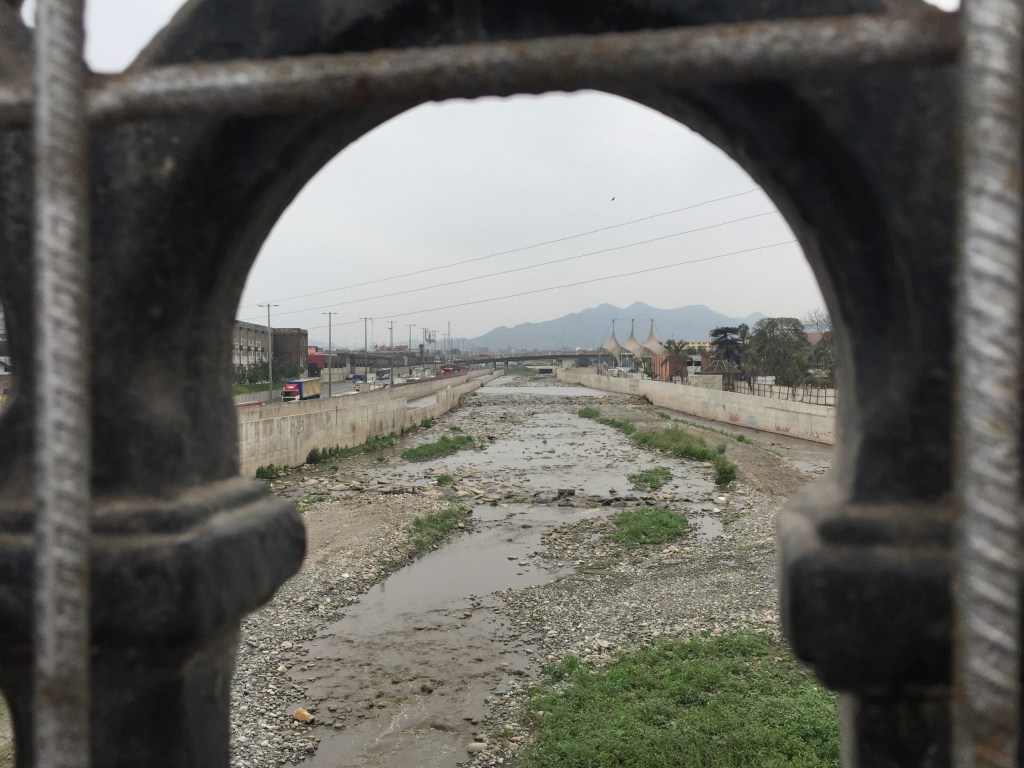
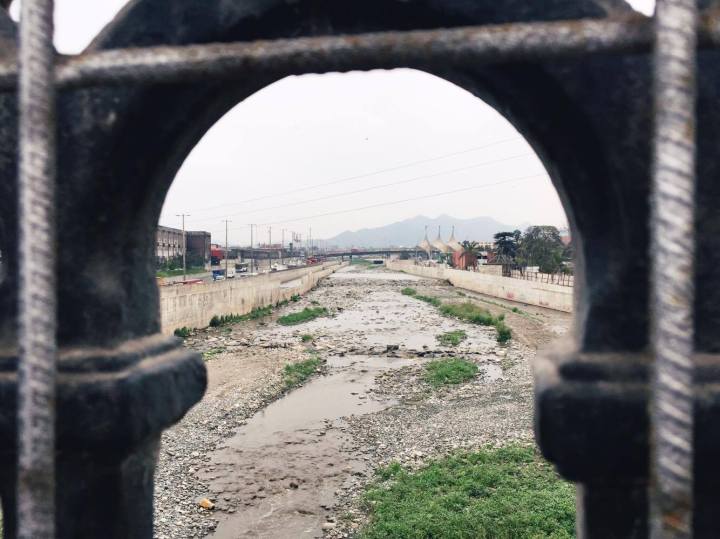
To start, Lima isn’t really named Lima. Lima was originally spelled “Limak”, and was the name of the settlement around a holy site in the Limak River under the Incan Empire, but the name was changed because it is difficult to pronounce a “k” sound in Spanish. The Lima River is now a dried, pitiful, disgusting flow of little more than human waste and plastic bottles. But at the time of “settlement” by Pizzaro in the late 1500s, The Limak River was an essential source of water for the Incan Empire’s irrigation system, which was at the time larger than any system of man-made irrigation on the planet (meaning the Incans had a larger irrigation system than the Europeans or the Chinese, which is insane to think about).
The site was not so much a holy site as it was an unholy site, however; the Incans did not settle in the area because of a history of what we now call earthquakes, and it took less than twenty years for the “Lima” community to be destroyed by an earthquake, following which the former-royal-priests-turned-slaves committed a mass suicide in what could be viewed as an escape from their bondage.

So imagine how the first “Peruvians” post-colonization would have tried to understand their world. Those living in Lima would have been living in a city that in almost every way was opposite to the lifestyles of the Incans 100 years prior. Traditional understandings about the sacred would have been passed down by elders but hidden from public discourse due to threat, meaning that early Peruvians would have to be living in a space that Christians analogously may be able to associate with Gomorrah. Technology invented by ancestors – terraced farming, bead-based economics, remarkably extensive irrigation – would have been taken over by conquerors, forcing Peruvians to watch their cultural heritage be overturned and mismanaged.

 certification
Leave a comment