Wednesday 20.7.2016
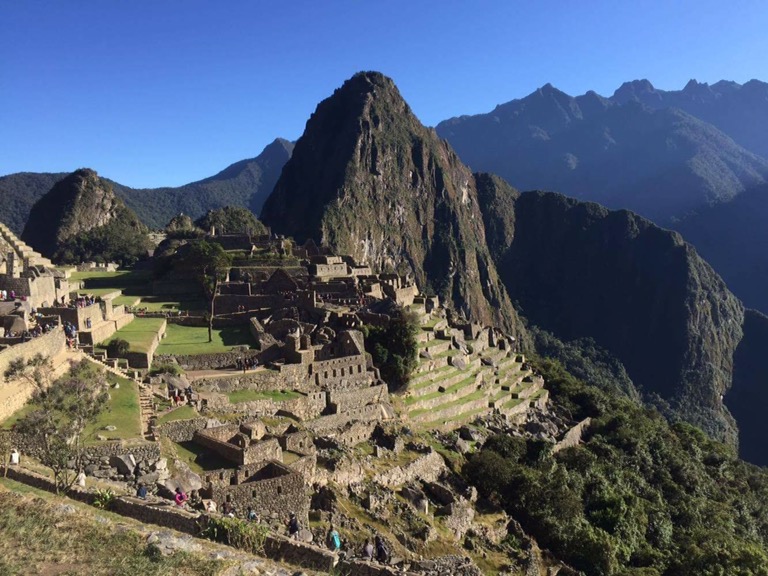
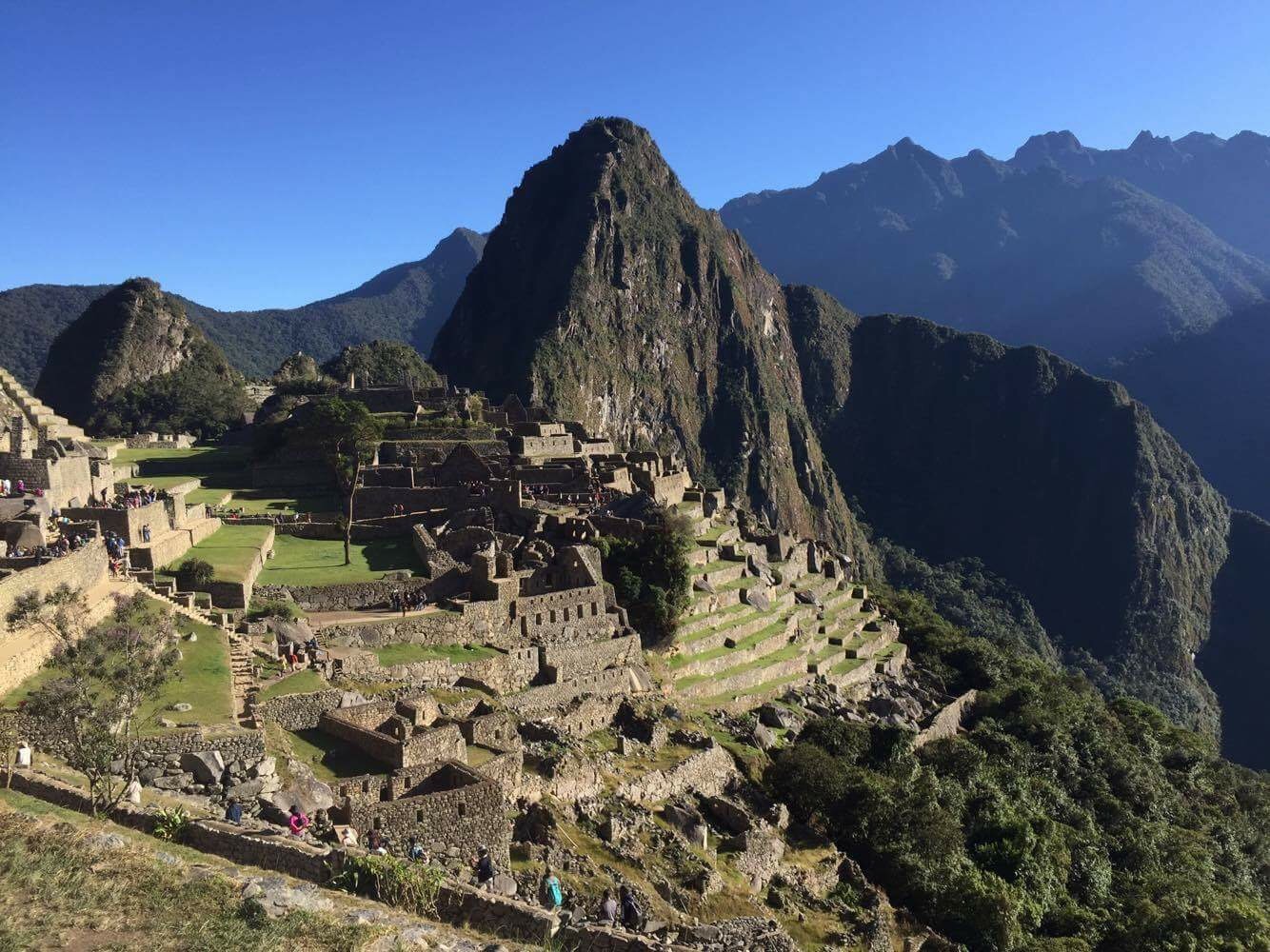
It is difficult to describe Machu Picchu. It is equal parts agricultural wonder, ancient ruin, and medieval castle complex. The lighting of the valley in which Machu Picchu sits is a platinum-gold unlike any I have ever seen, and the postcard-worthy Waynapicchu Mountain seems to stand over the battered stone complex like a sentry. The bus ride to the site winds up the side of a mountain for thirty minutes, each switchback exposing viewers inches more of a view that is bathed in early morning light and teasing us with ancient terraces. By the time the full view of Machu Picchu is in sight, it is impossible not to be awestruck.
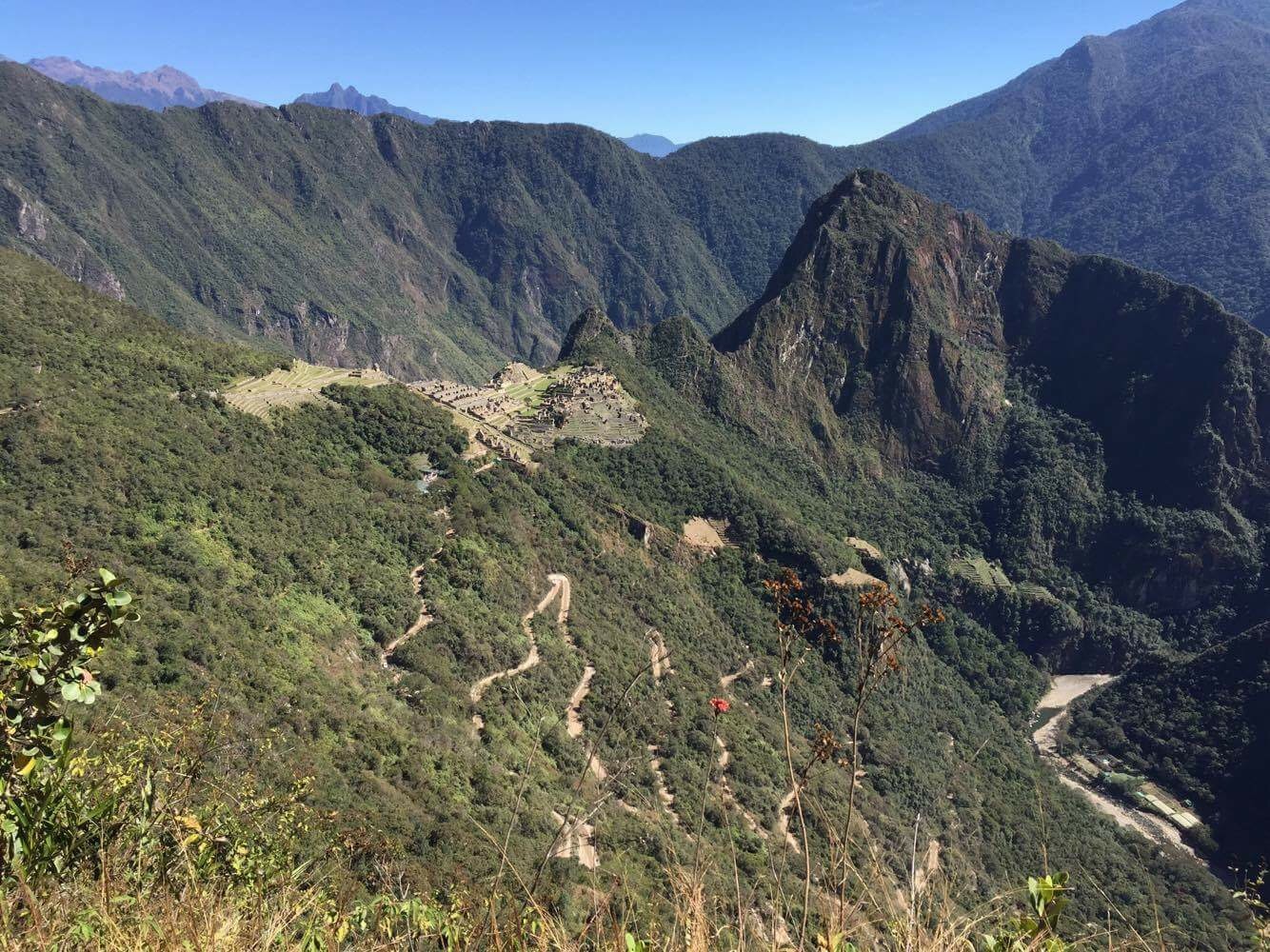
Machu Picchu is huge. The entire site consists of almost a hundred evenly spaced terraces (used for producing food for former inhabitants) supporting a surprisingly intact stone fortress. From any angle of the fortress is a breathtaking mountain view; Machu Picchu is nestled in the middle of a multicolored mountain ring, giving the impression that ancient gods built impenetrable walls around the structure to protect the structure from peering eyes. It is ironic that the upkeep of Machu Picchu today is built upon tourism revenue, exposing Machu Picchu to the attention her founders so desperately wanted to avoid.
Machu Picchu was not the largest Incan settlement befor the Spanish arrived, but it’s hard to imagine something larger. The structure consists of dozens of stone shops and homes lining meticulously exact streets. Even today, it feels like this place could hold a sizable population, teeming with life and social structure. The literal flood of tourists marching over the cobbled streets, through ancient backyards and across temples puncturing the heavenly skyline, gives one an impression of what Machu Picchu must have been like in her best days.
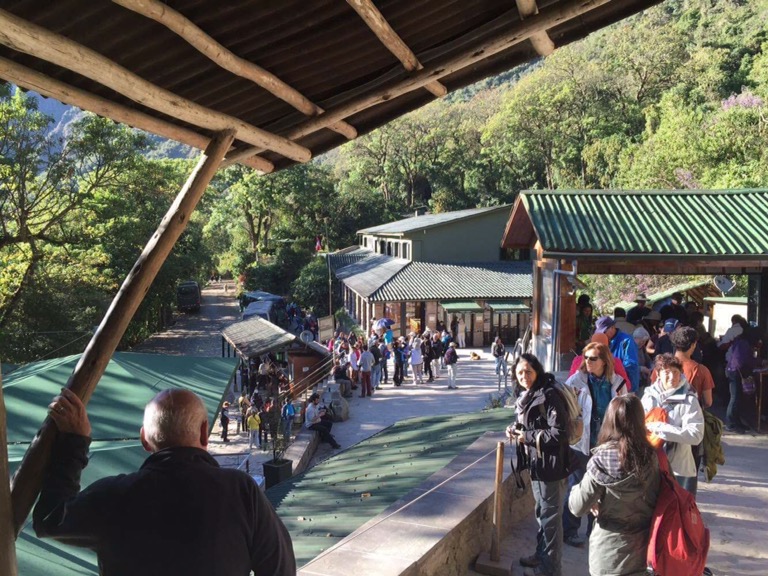
Tour guides and ticket scalpers protect the entrance with phalanx-like dedication, offering unique perspectives on the site every ten feet. Molly and I chose instead to use the knowledge of the place garnered from 1491 to give flavor to our experience. We really didn’t even need that, because the site is incredibly designed to almost be self explanatory.
Every morning the sun rises over one of several dozen mountain peaks and shares a clear light across the cityscape. On the solar equinox, the sun rises exactly over the Sun Gate, a small temple one mile from the main structure by rocky mountain path. We struggled up the climb – the high altitude and hot sun combined in a terrible way – but the view was worth it. With the sun rise, Incan priests hiked the same path every morning to produce offerings to their gods and bask in the glory of their creation. The Sun Gate is now littered with backpackers dangling their hiking boots over more impossibly made stone terraces.
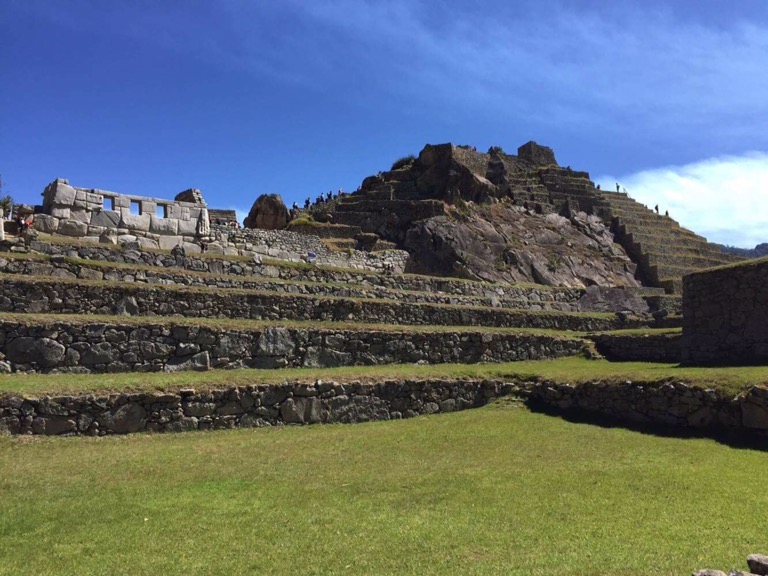
Those terraces are the true architectural wonder of Machu Picchu; by constructing the unnatural mountain steps, Incans prevented rock slides, made the steep sheer cliffs traversable, and created a bounty of planting space. Every single inch of the cliff sides are terraced, and one can only marvel at the social organization required for such massive construction without wages. Slavery existed in the Incan Empire, but using slave labor for civil construction was sacrilegious (human sacrificing was not). That so many people contributed to such an effort is a marvel in its own.
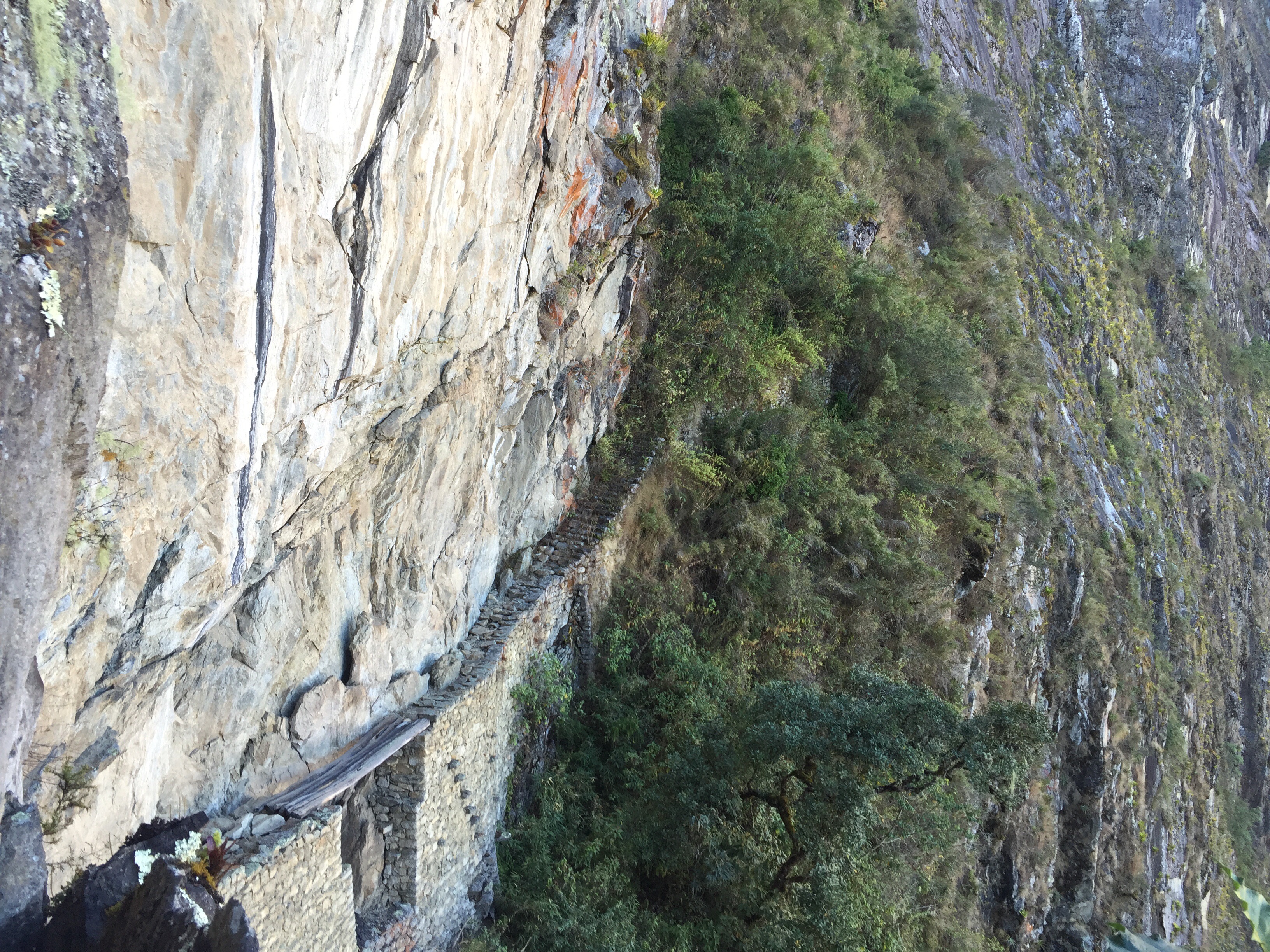
After two long hikes and an overpriced lunch, Molly and I spent the afternoon sitting in a patio-like clearing of an ancient home, trying to take in the scene while reading our new literature. Bugs of rainbow colors and alien shapes crawled over our jeans as our fingers absentmindedly picked at the packed dirt and stone walls. The stone was smooth, impossibly smooth, and made even more striking knowing that the Incans didn’t have metal tools to cut rock with – they hand picked, carted or carried, meticulously placed, and blessed every rock we could see.
This place cannot be real.
 certification
Leave a comment