Friday 6 September: Day 57
In the basket on the table in front of us, we leave the grapes and pears in the center of the pile but move the peaches and oranges in to a ring on the edge of the basket. “This is how cities in the US changed after World War II and the white flight from inner-city school districts created a gap between city schools and suburb schools.” We removed the oranges and peaches from the basket and made a perimeter around the fruit basket on the wicker table. “In some places, like my home city of Jacksonville, white families left the school district to support white upper-class schools, allowing the inner-city schools to fall apart.” The faces of the men with us were shocked. One of them explains the differences in Kurdistan, how the peaches and oranges force the grapes and pears outside of the fruit basket and instead allow the outskirts of cities to remain underdeveloped. As we’re discussing the urbanization models and the impact of capital flight, we’re shaving the skin from oranges with a short knife and mixing the juices with black, sweet tea, and everyone is reclining in this shaded oasis and nodding with rapt attention only slightly subdued by the wool blanket heat around us.
We discuss literature and socialism and nationalism while tossing grapes in the air and catching them with our mouths. We even talked about the “unmentionable topics” – homosexuality and abortion – and were surprised to find out that none of the three Muslim men we were with thought that gay marriage or abortion should be illegal. We admitted up front that we were scared of talking about the subjects and they just kind of laughed at us. In the past several decades, Islam has gone from a part of life to life itself, just as Christianity has come to the fore front of conservative Western politics. The majority of people we’ve met longed to be looked at as something other than dogmatic luddites.
These are the kinds of days and the kinds of conversations so many people back home need to have. Maybe one day they will.
“azadi” – freedom
Saturday 7 September: Day 58
We spent our day making art.
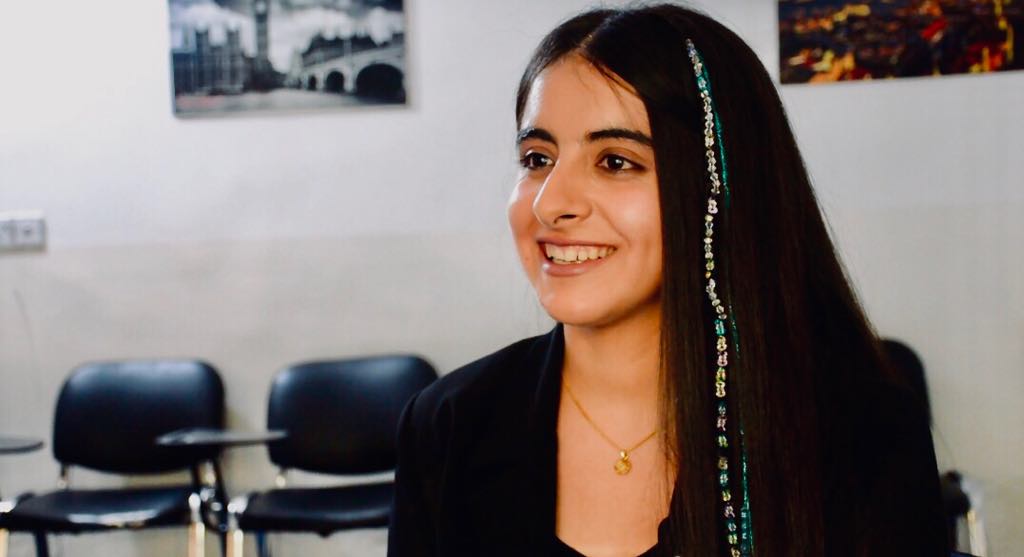
Specifically, we shot videos of students with the intention of creating advertisements, but honestly it felt pretty artistic. None of the 12 students we interviewed had ever been filmed before and afterwards we took dozens of high-quality vanity pictures for our volunteers to use on social media or something – you would have thought we offered them a free afternoon at a studio.
Like most things, our video day didn’t go off without a hitch. The first camera we brought didn’t have a microphone jack, essentially damning the audio quality to the sound of traffic and a relentless generator. The second camera came without a charger and died within half an hour. We had to rent a camera from a studio and broke the 64 GB SD card by not ejecting it from our computer before yanking it out and had to hunt through the bazaar for a replacement. People were late. Traffic was loud. The generator cut in the middle of one of our student’s otherwise-flawless take.
And yet despite all this, I’d say that this was as close to a perfect day as we can reasonably expect to have. There’s nothing like making someone feel seen for the first time.
“camera” – camera
Sunday 8 September: Day 59
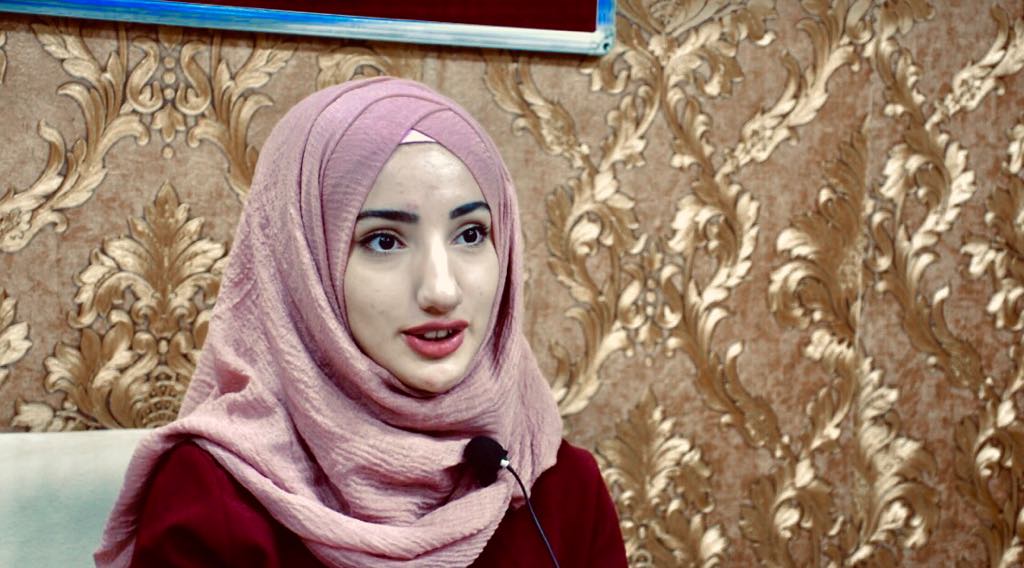
All of my Intermediate students are presenting this week. They’re researching a topic of their choosing, sharing information with the class for 15 minutes, and then leading a 15 minute discussion about a question raised in their presentation. Everyone is nervous. The Kurdish education system doesn’t leave any room for presentations (let alone conversations) so for most of my female students this is the largest group of people they’ve ever spoken in front of. It’s also a test of my teaching ability – have these students gained enough from this class to elaborate on a complex idea and facilitate a critical conversation in their second (or third or fourth) language?
The presentations today are on Belief and Identity, the “secrets” of learning a language, Kurdish nationalism and the deliciously vague “what is life?” question. There’s a connection between the students who didn’t show up to class and their topics – too broad, too abstract. I’m nervous that we’re going to be sitting in silence for half an hour during some of these. I remember this feeling during the exam week of my first term teaching in Rwanda, when it felt like I was the one being tested. Best of luck – please remember to make eye contact and use articles!
“taqikrdnawa” – test
Monday 9 September: Day 60
The first presentation was about Fyodor Dostoevsky, the Russian author not exactly known for his light-hearted, easy-to-read literature. The presenter finished up his biography of Dostoevsky and then asked us if we, like Raskolnikov, would have killed an old woman if it meant we could pay off our debts. There was a lot of nervous laughter and not a lot of conversation.
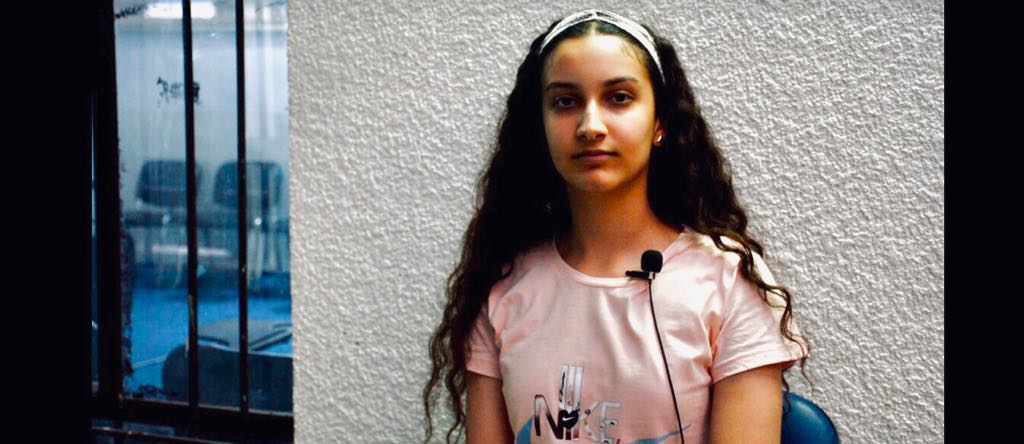
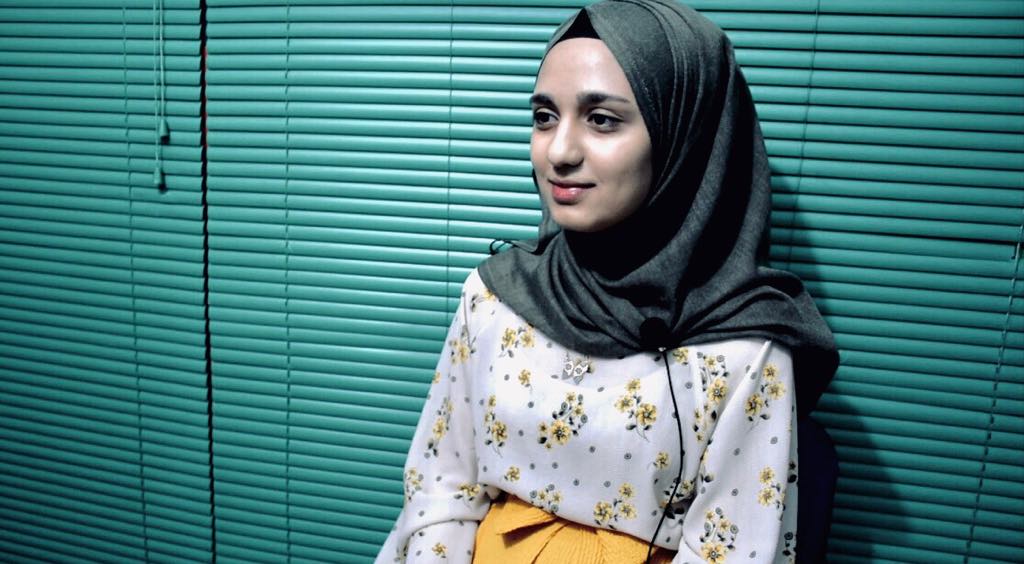
The second presentation was about suicide. It was very well organized and cleanly given, and the student – 15 years old with near-perfect English – related the story of her own uncle’s recent suicide and her struggle to find meaning in the action. While the presentation was informative, the conversation that came afterwards was quiet and reeked of personal pain; like many taboo subjects, you can tell that many more people are affected by suicide than they let on. Two topics, two muted conversations.
So you would think that our last topic, “Pets,” would be a welcome change. It wasn’t.
The presenter originally wanted to give a presentation on “faith” and that should have been a warning. Following his 20-minute argument that having pets was natural, he asked the audience why Muslims were so misinformed about pets. He claimed that the Koran says nothing about not owning pets but every Muslim acts like owning pets is haram. Apparently the stigma about owning animals is a cultural one, not a religious one, and the popular notion that this stigma is religious is actually a profession of profane ignorance.
Not murder fantasy, not suicidal thoughts, but “pets” is the subject that made my class erupt. Student took sides on ancient theological positions and began talking loudly over each other. The presenter didn’t marshal the arguments but instead joined in. A lot of people agreed with him, but because his English comprehension is so weak he mistook their enthusiasm as excited disagreement and piled on inflammatory comments.
It was all pretty funny, actually, and everyone was laughing by the end of his thirty minutes. Go figure.
“azhali mali” – pet
Tuesday 10 September: Day 61
I loved so much about the Peace Corps, but one of the biggest issues with the organization was an asymmetry between stated goals and practices. One of the goals of the organization was to share authentic American culture with the host country population, for example, but the volunteers I served with were much less racially, economically and educationally diverse than the American population. Some of that is simply boiled down to what kind of person would want to do something as crazy as the Peace Corps, but some of it was also intentional policy.
Mental health is an area where the Peace Corps needs some improvement. When people apply for a position, they’re told that they must answer questions about their mental health honestly or risk getting sent home if their lie is ever found out. Volunteers are encouraged to lie about their history with mental health to further their applications. This creates a culture of dishonesty within the volunteers, because they under-report mental health problems, since talking to a Peace Corps Medical Officer about mental health was a pretty sure-fire way to get sent home early. This practice also teachers people in our host communities that Americans don’t have mental problems, which we do, and that the vast majority of Americans aren’t accepting of nor personally friends with someone who functions well despite having a mental health problems, which just isn’t true. Every family has at least one member with a history of struggling with mental health problems, and to some extent, every person alive struggles with some sort of mental health issue.
So why stigmatize the experiences of every American?
The Peace Corps’ policy of silencing mental health problems isn’t just something that matters for currently serving volunteers, who can’t receive support, or for their host communities, who develop a wrong impression of American culture. Honest applicants that report their history and are subsequently denied from serving are devastated – denial for mental health-related reasons is the most common reason someone is turned away from serving. Mitsu and I didn’t have to look far to see an example of this after returning from Rwanda; the young woman working a temporary job at the convenience store near Mitsu’s family home in Bellingham, WA lamented to us about how she was accepted to serve in Central America but was later denied because she disclosed that she had visited a therapist after her parents divorced. She had a rough few years as a teenager. Who didn’t?
The policy of rejecting applicants for disclosing any history of mental health problems is troubling. Most of the volunteers I served with had a history, and it made no determination on the effectiveness of their service. The United States government clearly doesn’t care about people with questionable mental health if Donald Trump is still our President. And if the Peace Corps is earnest about sharing the diversity and resiliency of the American population with host countries, why present a false image of what constitutes the average American? After completing service, Peace Corps volunteers are told to be emissaries of their host culture and share knowledge with our own society. Why teach them to lie about who they are?
***
Why am I writing about this today? Because ten years ago, I had severe mental health issues. I spent a literal decade hiding it, pretending that my experience didn’t happen, treating this integral part of who I am like some sort of stain – and lying about its existence in order to get the best job I ever had, only to learn that I was to be surrounded by wonderful people who also lied about the same thing. And today, in the beginning of what promises to be the most beautiful chapter of my life to date, one of my students had the courage to talk about suicide and mental health – something that she is struggling with at the same age that I was. To have survived, and to now be a teacher of someone struggling with those problems – someone who can fluently articulate those problems in a language that I’m helping her to learn, no less – marks my proudest day as a teacher.
Thank you to my friends and my family for helping me get through it all, to those volunteers who helped me to accept what happened, and to Mitsu, who is helping me learn how to talk about it all. Life is beautiful.
“darkhstn” – display
Wednesday 11 September: Day 62
Always a difficult day to be an American. When I was a child, I was moved to tears by George W. Bush’s “rubble speech.” In high school, I learned about Leonard Pitt’s essay for the Miami Herald, and felt it was much calmer and more coldly brutal than the catharsis of an impromptu bullhorn speech. In college, I found Noam Chomsky and sunk in to his critical analysis of that Day and its destructive end to American notions of civil liberties and nominal reluctance for war.
Sometime last year I found David Foster Wallace’s piece about 9/11 and felt that the emotional primacy, rational disbelief and psychological aimlessness of his reaction was very understandable.
One last though: Taro was here on the anniversary of the Hiroshima bombings and he was swamped with questions. No one even mentioned 9/11 today.
“Amrikya” – America
Thursday 12 September: Day 63
A dream:
“Villages have a least three restaurants. The most respected one (with the best food, of course) is found in the village square, where markets spontaneously come in to existence twice a week. These restaurants are the timeless crawls of old men, who discuss the weather and the government as their wives sell the week’s crop. The matron – it’s always an old woman – serves the best food and runs a tight ship. There is something to drink but never any violent drunks.”
I set down the still-heavy bottle of warm beer and the only light in the space passes through the glass like a green lens.
“The second restaurant is the challenger. It’s off the main street away from the market, at a distance from the first restaurant, out of respect. Young men and their wives come here. Maybe there’s music, maybe a television. Visitors eat here because it’s the new place to eat, a demonstration of the village’s future. There are no grandparents, but young professionals and even the occasional single woman might spend a few minutes.”
The cigarette has burned to the filter and joins the wet graveyard of its kin in the depressed trough trickling towards the toilet where the front legs of my chair once were as the worn wood of the back leans against a concrete wall and I can hear laughter in the room behind me and smell the spice of fresh meat.
“The last restaurant is poorly lit. Unlike the second, unwilling to encroach on the oldest establishment, the last place is also in the square, and from the inside you can hear the painful metal sound of a broken radio and smell the smoke of a wood fire boiling grain liquor. Here, the youngest men and the outcasts, the disobedient and the abandoned, drink without pause. Some sleep here. They sit on the dirt and lament the old ways of the first restaurant across the square and the privilege of the second restaurant down the road.”
Which one am I sitting in?
“cheshtkhana” – restaurant


 certification
Leave a comment