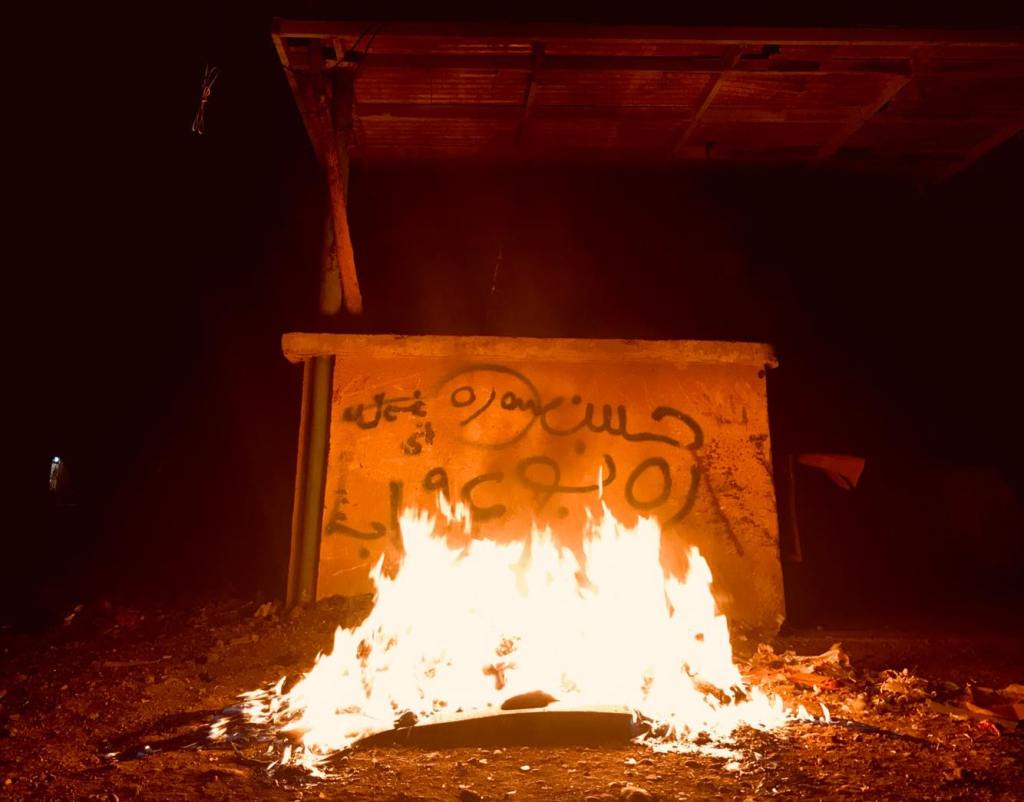
Friday 15 November: Day 127
Part 1:
“I can’t believe I’m saying this, but I think Freud was right. I don’t know about the anal stuff, but I sincerely believe now that the way we raise children really impacts not just the way we see our world and the way we see ourselves but the way we organize our societies.”
Mitsu pulls the padlock off the door and we leave our shoes on as we step on to the carpet of the school, sacriligeously breaking Kurdish custom as aim our phone flashlights.
“Like, did you see that boy at the pool hall? It’s ok for a little kid to be there, but not any women – that’s not really the point, don’t write about that. This kid is able to watch all of these smoking, tattooed Muslims without being shoed away, and then when he wants to say something, grown men stop their game to hear what he has to say.”
I grab the plug-in heater we bought that afternoon, scrambling to stay in her flashlight beam. She keeps going. A few nights ago she shared some paranoia about our often-dark surroundings (who isn’t afraid of the dark? Completely understandable and filed away in the “don’t think about it” category) but now she’s tall, proud and loud. She can’t see my smile in the dark.
“It’s remarkable how lax discipline with children is here. Kind of paradoxical – Kalar is conservative, and when we think ‘conservative family values’ we think of the liberals who are telling us not to abuse children, but people are so much more conservative here than yet children are treated with impunity. And if Freud is right, that means that children – especially boys – grow up thinking they can do no wrong, that their presence is always allowed and everything they think should be said. We’ll probably need to phrase that a different way if Kurdish people are going to read this.”
Probably.
منداڵ – children
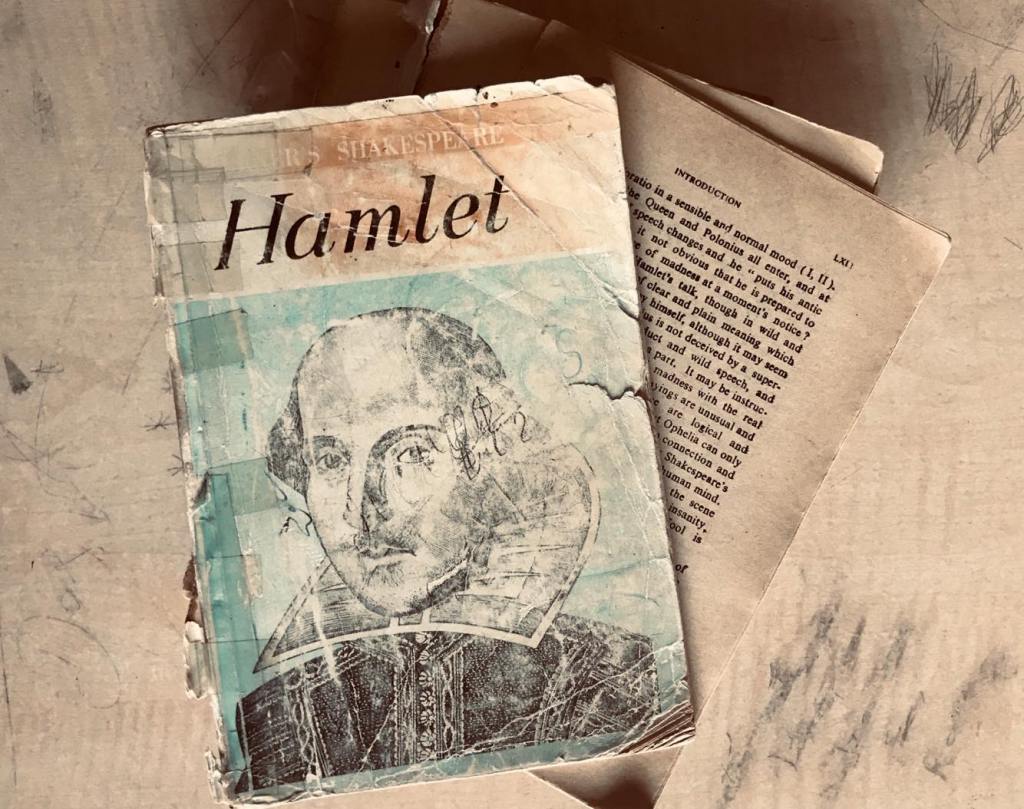
Saturday 16 November: Day 128
Part 2:
“And here’s the other thing – I taught ‘media literacy’ in class today and everyone instantly understood. One of my students talked about how people share baseless attitudes on Facebook, so we talked about Hillary Clinton and Pizzagate and how a lunatic who has 500 likes on a comment suddenly looks a lot less crazy. Younger Kurds seem to be pretty aware that most of the things we see on social media just aren’t true, but people from older generations share insane stories – and not just political, but religious and fitness stories too – without even bothering to see where those sources are from.’
We turn the corner to the Dream Land gate and step out of the ay of a swerving vehicle, the driver staring at us in shock. My arm is tired from holding the heater. Mitsu doesn’t skip a beat.
“You know how Subsaharan Africa ‘skipped’ a phase of development – from colonial telegraph cables over telephone lines straight to cell phone towers and smart phones? In so many ways, Kurdistan is doing the same thing with media: they had centralized state-run news outlets, skipped right over the expansion of independent media and the fact-checking culture shift it brings right to the radical decentralization of social media and popular information sourcing. People have never really experienced the viability of objective fact-focused information sharing, so the crazy stuff they see on social media seems just as valid as the legitimate information that gets avoided because it doesn’t fit with all of the strongly held confirmation biases people have here. Kind of like Fox News.”
I switch the heater from my left arm to my right. The wind is strong and cold – Mitsu speaks up to be heard over the night time gale.
“Social media was supposed to usher in this era of mass participation, of engagement with the media, and in many ways it has. But that mass engagement was supposed to make information more accurate, to act as a check on state and corporate propaganda a la ‘Wisdom of the Crowds.’ Instead of filtering out the crazy, social media gives crazy a platform it never had before, and the companies that run our social media sites are now trapped protecting conspiracy theorists and fact-less charlatans under the veneer of free speech. Instead of letting the truth rise to the surface, every perspective is argues louder, and the volume makes any nuanced appreciation of fact next to impossible. And here we are, deafened when we really just need a minute to think straight and catch our breath.”
I can barely hear you over the wind.
ژاوە ژاو – noise
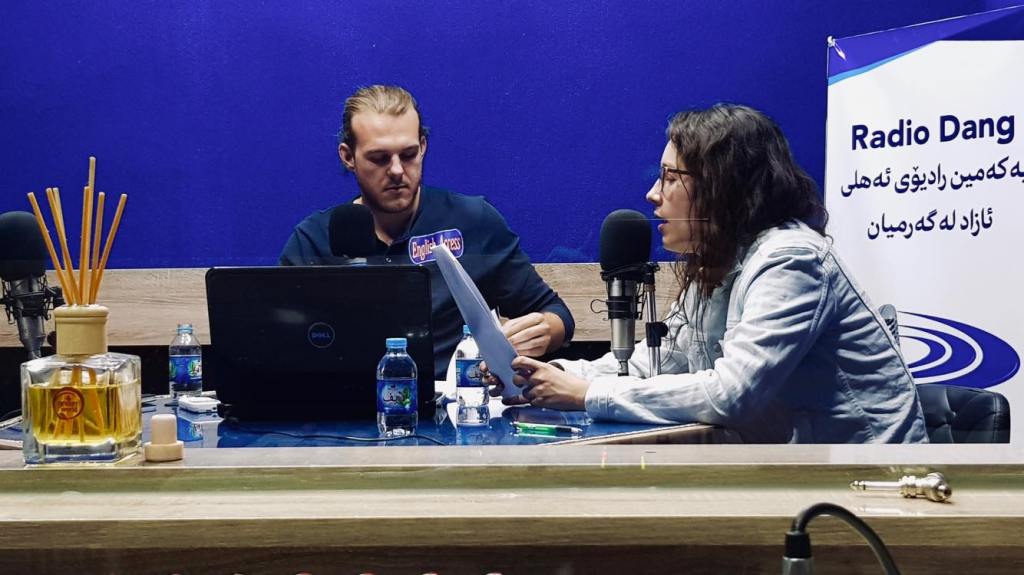
Sunday 17 November: Day 129
Shaho is cool, sharp and experienced. His resume should highlight his incredible professional experience and career abroad. Shaho’s dream job is to modernize the local peshmerga by installing CCTV cameras across the city. For his interview, he’ll need to focus on his past experience as a CCTV operator in the UK and just let his charismatic smoothness take him the rest of the way.
Sahar is a young mother who has persevered this entire term, studying twice as hard as her classmates and showing incredible improvement. Her resume is light, but as a Kurdish woman, it’s a victory that she has work experience at all. Her resume will be boldly designed and include an executive summary that highlights her English writing skills. Her dream job is to champion a technology upgrade with the Ministry of Education and she will leverage her education in computer engineering with her killer attitude.
Mehdi is a happy man. He’s always laughing and cracking jokes, making the most of his slogging job with Gazprom and always drawing on his experience living in Norway as a younger man. He’s modern, witty and just straight-up jolly to talk with, and his confidence with English has skyrocketed now that he realizes that a lot of Norweigian sounds transfer over in to English pretty cleanly. He studies half as hard as he should, but I get the impression that’s never held him back before. His dream job is to open a private school that caters to internationally-travelled families. He’s comfortable working through the corrupt mechanisms and regulatory bodies that govern education in Kurdistan (thanks, Gazprom), and I know he could get his dream school opened if he pushed for it.
My Upper Intermediate students will be completing a mock job interview, giving a presentation and leading a discussion related to their “dream jobs” for their final grades. Wish them luck.
خەون – dream
Monday 18 November: Day 130
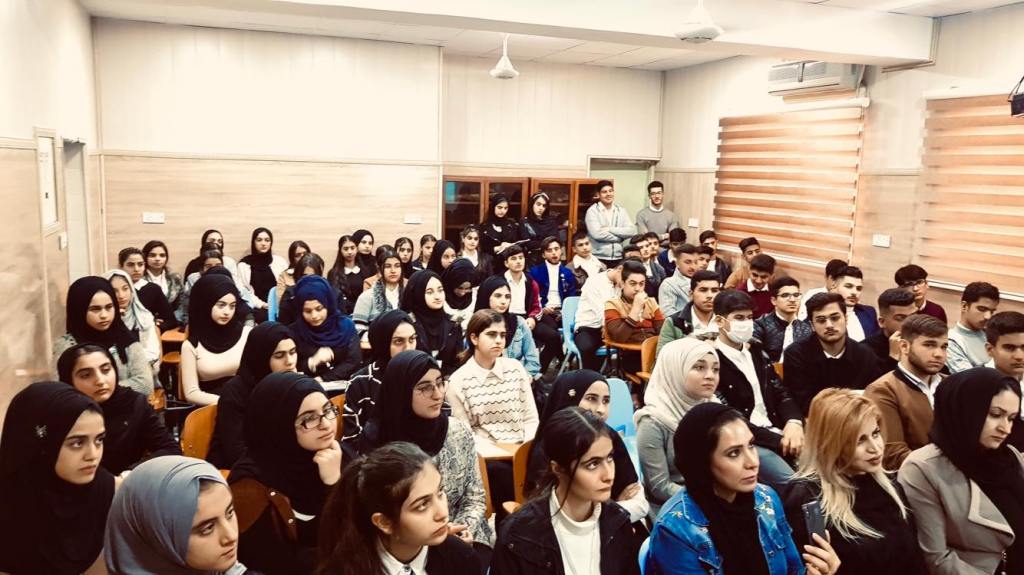
We’re visiting schools and institutions these next few weeks in an effort to increase the English Access Institute’s visibility in Kalar. So far, the schools we’ve seen have been pretty bleak – low enthusiasm, teachers complaining in front of students, cynical attitudes in general.
Today, we saw something different.
Shayd Aram is Kalar’s premium secondary school. It’s massive, with over 600 students, and these students regularly dominate the listings of high scorers in the province. Teachers flock from villages, cities and other countries to get the opportunity to teach here, and we can tell, because the environment is electric and contagiously positive.
We were first taken to the art class – the first and maybe only of it’s kind in the city – and students asked us any questions they could muster as the teacher played a synth-heavy ode to our visit on the keyboard. He explained that the art class was a much-needed stress reliever, since the other classes are so academically rigorous.
The English class we visited was standing room-only. Mitsu and I talked about the differences between Kurdish and American schools, but mostly we just tried to keep the students engaged which wasn’t difficult to do. You can tell that their teachers encourage discussion and debate in the classroom, that they’ve been supported and loved. We felt a totally different vibe than the other schools we had seen thus far, and unfortunately would remain distinct from most other places we would see in the coming days.
قوتابى – student
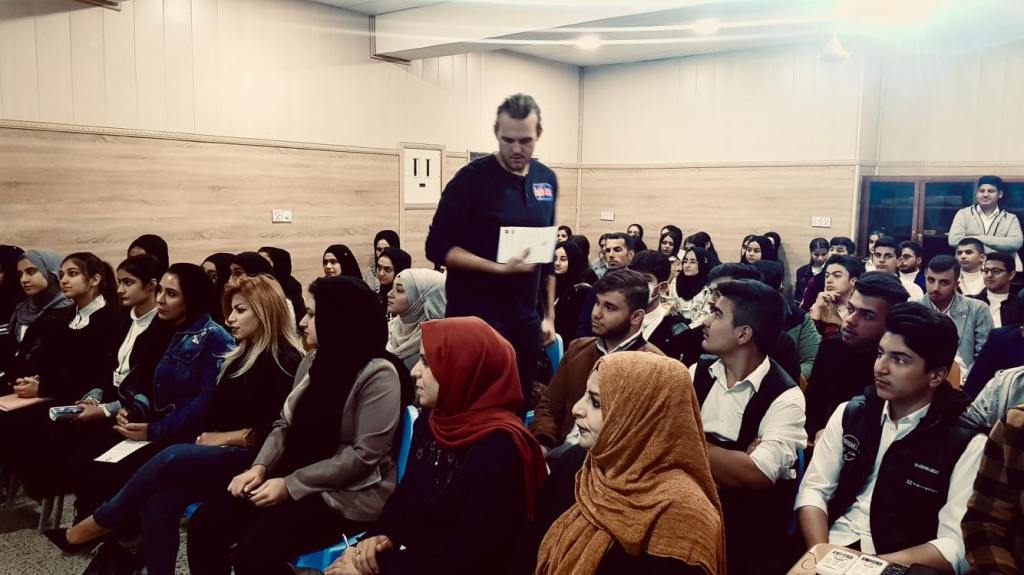
Tuesday 19 November: Day 131
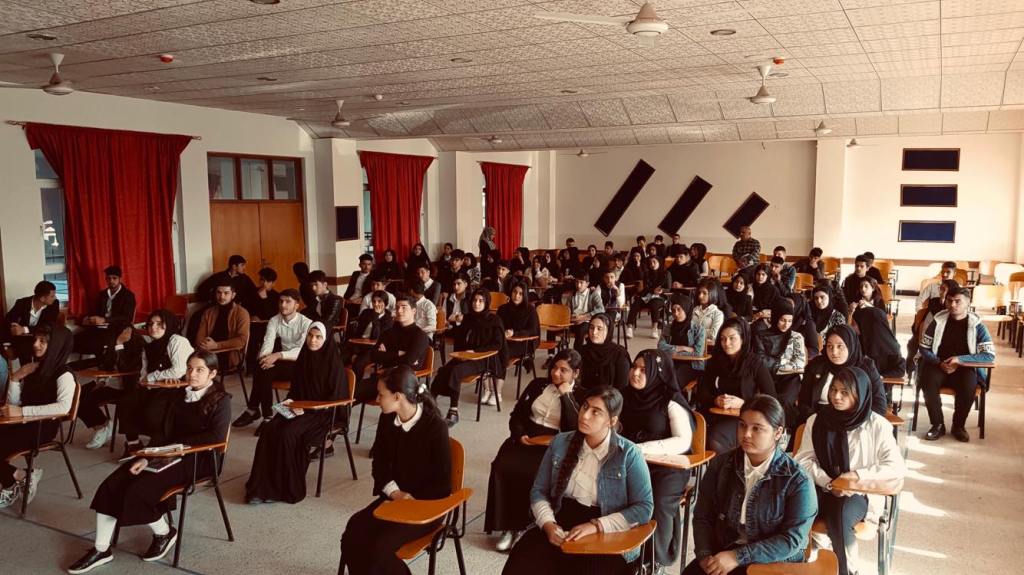
The next school we went to was… different. Teachers smoked inside the entrance of the school, so students had to step over cigarette butts to get into the building. The headmaster was conspicuously absent and a (the?) enthusiastic teacher led us to a large auditorium, where a large crowd of students was staring at us in silence. Yahya told us that the teachers had just told the students to stay quiet and “not ask any stupid questions,” which means that our voice echoes through the chamber ominously and the students nervously glanced over at each other as we gave an awkward presentation. Ten minutes in to the speech, the headmaster came in – every single back straightened and we could hear construction sounds in the distance – stomped up to the stage took a few expressionless pictures with us, and left without a word.
This atmosphere – this silent, oppressive negativity – proved to be the rule, not the exception. Education is not a priority in Kurdistan. Parents are obligated to out their children in school only for a few hours of peace at home. Schools are organized like prisons, built to prevent the free traffic of students and to allow for constant observation. There are some truly inspired teachers, but most that we have met treat their positions like a favor given to them by a politically influential ally. Administrators are wardens, ignoring opportunities for self-reflection and growth out of inertia and grimy comfort. The situation is tragic. These children need better.
بەندیخانە – prison
Wednesday 20 November: Day 132
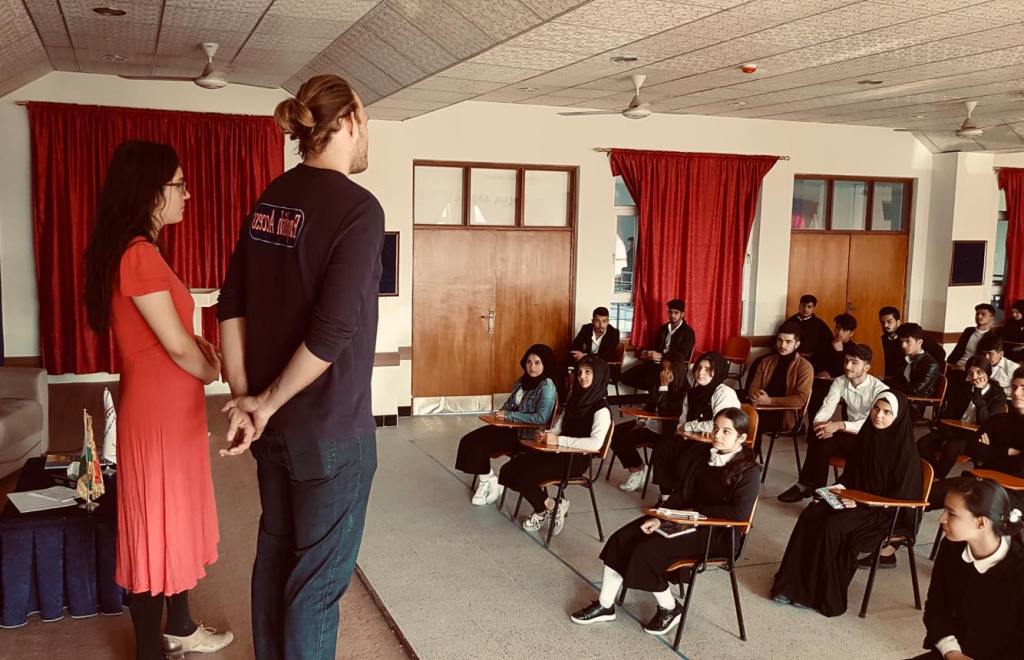
There is a lack of regulatory logic to the variety of schools in Kurdistan. Public schools serve most students, but they are augmented by a messy salad of private schools, public and private universities, private institutions that offer short courses (like ours) and programs similar to American community colleges, and finally public “institutions,” which are like vocational schools. We visited one of those public institutions today, and our impression was not positive.
Immediately, I noticed the strange power dynamics present in our conversation with the headmaster. He had left the dirty coffee cups from his previous guests on our little rolling tables and the TV was blaring during our conversation, which was frequently interrupted by his loud, unanswered phone rings. We were offering to give a presentation to his students about the importance of education, a presentation to his instructors on Western student-centered teaching practices and even give his teachers discounted lessons, all for free. His first question was what our degrees were, and even after we shared our experience with him, he dismissed us outright. Yahya explained this to us while Aram had a heated and thinly-veiled argument with the miser, who seemed to realize his offense but arrogantly half his position. I’ve never seen Aram so put off.
Later, we learned that none of his teachers could speak a lick of English, despite all of their expensive degrees. I wanted to tell the boss where he could put his Doctorate, but Mitsu explained that such a statement was maybe not the most diplomatic approach.
دەرەجە – degree
Thursday 21 November: Day 133
We had a busy week, and tonight we relaxed. Mitsu, Yahya, Dilan and I ended up at Titanic, which is becoming a haunt. We were joined by Ali, the enthusiastic teenager with an infatuation for American culture.
The kid kicked me in pool and was very vocal about it. Kurdish boys (and by extension, men) talk a lot of smack. There’s not much worse than getting beat by a sore winner. After a few embarrassing defeats, we played a double’s game – Yahya and I versus Ali and Mitsu. Ali quipped that he could still beat us with a girl on his team, and I told him that I didn’t like that, to which he said I shouldn’t get offended so easily like a typical millenial. “There’s so many levels to this and you have to write about it,” Mitsu is saying to me – but honestly I’m just proud that she sank the 8-ball to win the game.
یاری – game
 certification
Leave a comment