Friday 22 November: Day 134
Invited to a student’s house. Typically delicious and extravagant meal, typically Kurdish. Tea is served.
“I went to Brazil with a documentary team. We stayed in Rio editing the footage we shot in Kurdistan following Daesh – only two weeks, but still it changed my life. There were so many different kinds of people, a beautiful mix of race all woven together, so nobody but the very white cared about where they came from. I heard Portugese, of course, but also Spanish, Creole, German, Japanese, Italian and French, and people listened to music made with sounds I didn’t even know existed. And the women! There were so many women of different shapes and sizes and colors, no two women looked the same and yet everybody somehow looked beautiful. I fell in love, and I have to go back, because this world is so much more than I could have imagined. I need to go back.”
گەشت – travel
Saturday 23 November: Day 135
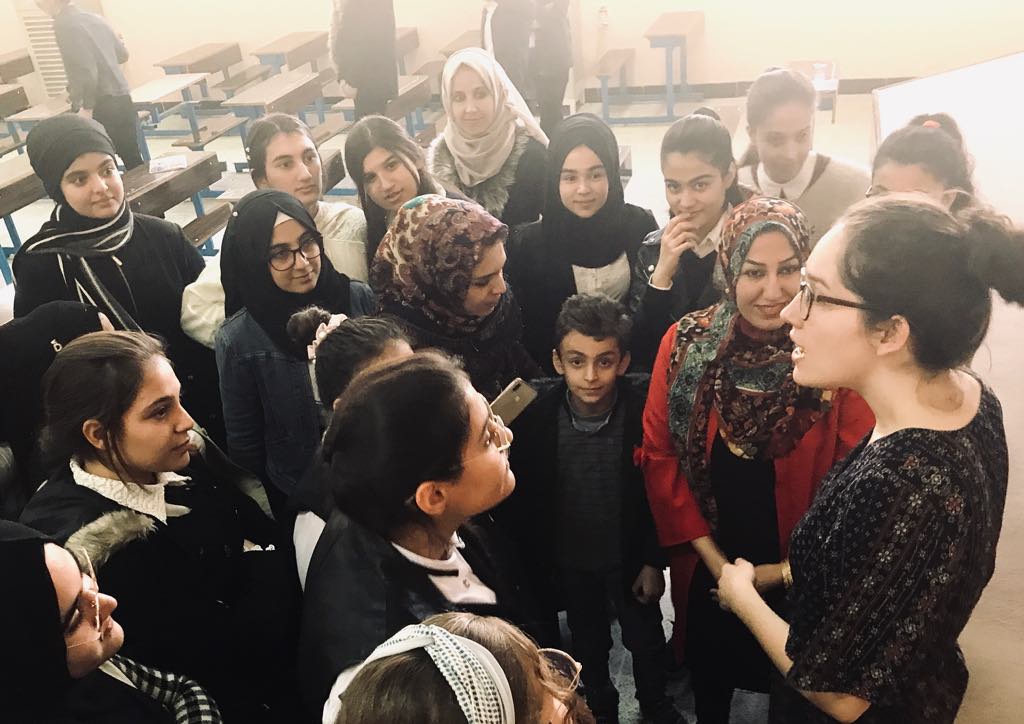
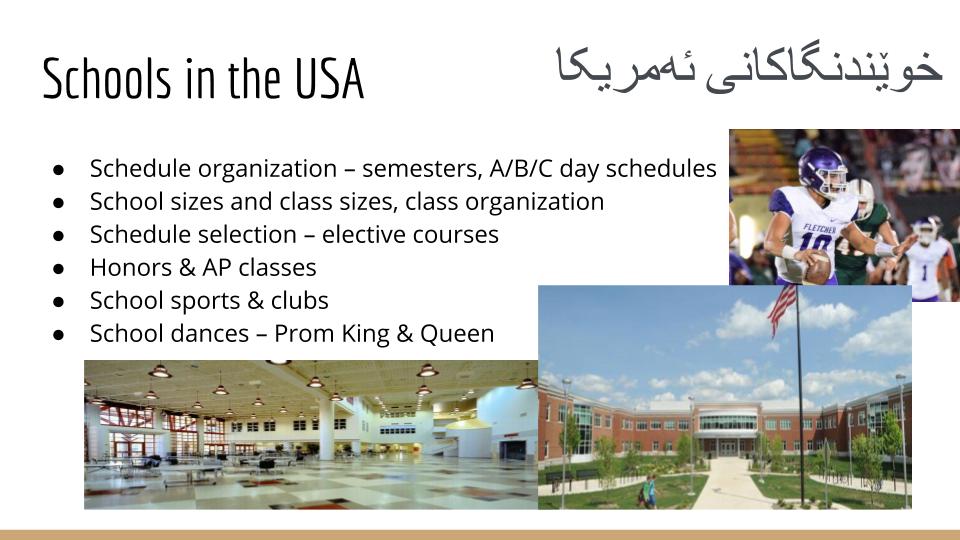
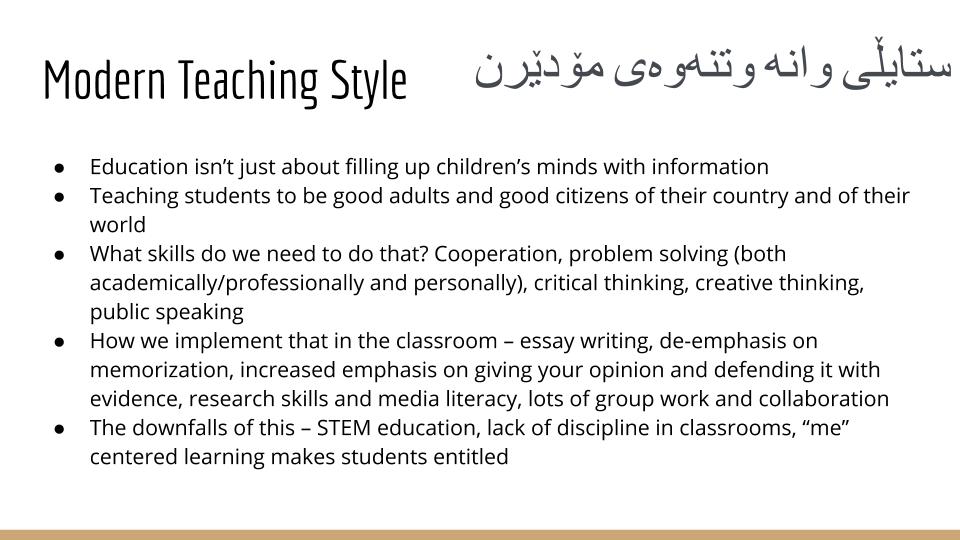
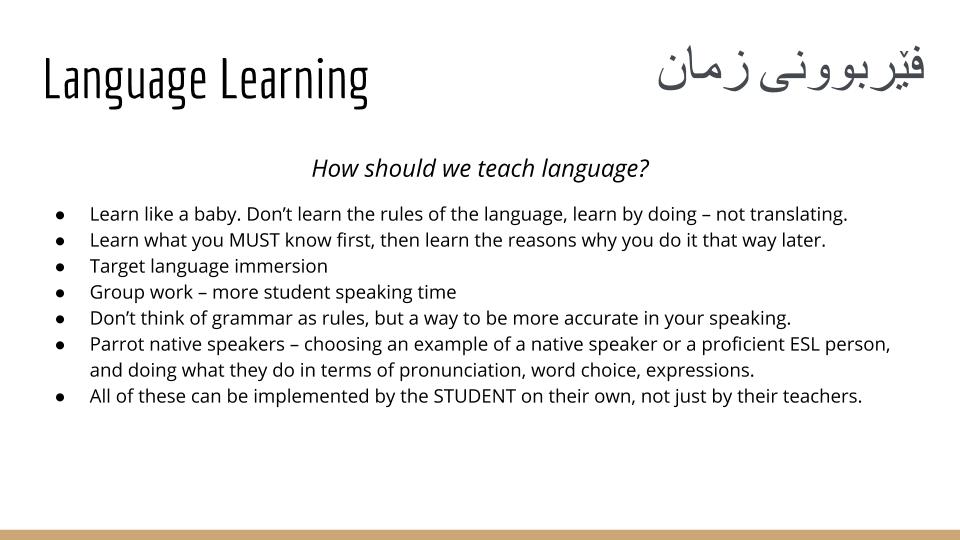
Yes, it’s the weekend, but we still visited a school today. Our audience was a group of teachers at a large public secondary school whose headmaster asked us to talk about student-centered education.
I don’t think that I’ve ever spoken to a more negative group of professionals.
Their attitude was toxic. Before we finished the first slide, we took several “questions,” which went like this:
“None of our students want to be here and we hate teaching them.”
“Our school system doesn’t respect educators. We aren’t paid anything but we’re expected to do everything. This will never change.”
“Our students are too stupid to use creative thinking.”
“I’m the sports teacher so I don’t have to deal with these problems.”
“We don’t have any time to implement old ideas, let alone new ones.”
“The students only want to pass the exam. If I try to share something new, they ask me if it’s on they the exam. If I say no, they tune out.”
“Our lesson plans are so rigid that we don’t have the freedom to try new ideas.”
It’s easy to get frustrated hearing all of this, to want to give up and move on. But we have to remember that the philosophy surrounding education here, the context in which Kurdish schools exist, is completely different from Western systems in developed economies.
Americans view education like a long-term investment, a bond that yields valuable reruns in the far future. Our society is relatively stable, despite the political bedlam, and students can graduate from the same secondary schools that their parents graduated from. The opposite couldn’t be more true in Kurdistan; education is like life insurance, the bare minimum a society can invest in to ensure that economic and political collapse does not result in social disintegration. Schools aren’t meant to produce scientists and artists, but rather to familiarize future adults with the dynamics of the population so that they can find a job and avoid organized crime. School is the bare minimum, not the purpose or the pinnacle of a productive society.
In this context, it makes sense why teachers are cynics. Students need money and political influence to become leaders in a field, not skill or drive. Teachers are only supposed to keep a class corralled in one room until they become the burden of the next teacher. Positivity, drive, perseverance, these are the exception, not the norm.
We can wallow, or we can take a step back, steel ourselves against the nihilism, and ask, “how can we make our society better for our children than it is for us?” All we need to do now is find the right way to share the message.
هيوا – hope
Sunday 24 November: Day 136
Good cop is great for problems of misunderstanding – when two parties have spent energy developing an idea, and there’s a problem in communication. Good cop helps to iron out the inconsistencies and gets everyone on the same page, or at least to reach a compromise. Good cop is friendly, and popular, and avoids conflict, because conflict is ugly and a result of failure.
But what happens when we exist in an ecosystem based on self-interest and securing gains made, not based on mutual cooperation? Good cop becomes toothless. For every two hard-working leaders who earnestly want to improve a society, there’s two losers who are bitter from a popular refutation of who they are, ten people who are being upstaged and out-maneuvered by people smarter than them and a hundred people who resent anyone with enough access to engage with a system for change in the first place – and this is just in an ecosystem the seems designed to produce capable, popularly-backed leaders.
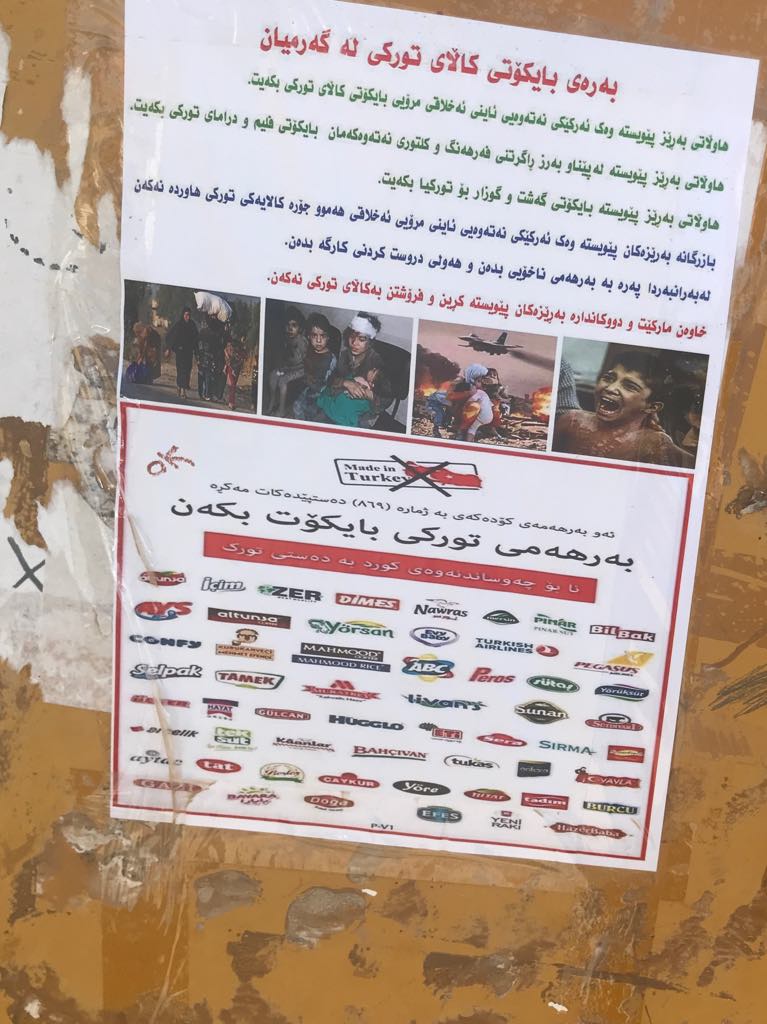
What about systems built on patronage, nepotism, and corruption – built on force, and the threat of it? Only in developed, resource-rich societies is mutual cooperation an unironic goal. In places where resources are scarce, problems become much more defined by exclusion and inclusion, about “us” and “them” than by problems of communication. Those who gain status by association have no interest in upheaving an equation where their connection – and thus the comfort and prosperity of their families – is thrown in to jeopardy. In scarcity-defined ecosystems, negotiators must understand the politics of status, not message.
We’re beyond that, though. In scarcity-defined societies, violence is only a breath away; enough ineptitude will leave the streets dirty, the streets impassable, the generators cold and the shelves empty. People will resort to violence to feed their families. Mutual cooperation, and all of the respect, legality and progress-orientation that predicates it, is a pipe dream. There are no good cops here.
This isn’t cynicism, no more than a rainy weather forecast is cynical. We just need to bring an umbrella and leave the rose-colored glasses at home. Desperation and scarcity result in instability and violence, and Iraq hasn’t been free of these diseases since its inception. Retaining our confidence in positive change while learning the politics of desperation and exclusion is proving to be a valuable, raw and brutal lesson.
شاز – unusual/irregular
Monday 25 November: Day 137
The other teacher who works at EAI with Mitsu and me is Ahmed, who also teaches at a computer institute across town. We visited the Garmian Private Institute of Technology and were greeted very warmly.
All of the teachers are younger than 40 and were over the moon to host us in the morning. We stopped in to a few classes and said hello to some less than eager students who came around as Mitsu explained why “computer” sounds like “kum-pyoo-der” in American English. Each of the teachers greeted us with a smile and asked us for advice on teaching practices, and we in turn gained some valuable classroom management techniques.
We all met in the staff room after our tour and talked for an hour. They asked us about American schools, about how we met (always a popular one), about how we ended up in Kalar, and on some basic advice on using English in the classroom. We invited them to take English classes with us and encouraged them to keep expressing their positivity to their students, who need to see it.
We did too.
ئەرێنی – positivity
Tuesday 26 November: Day 138
Late night thoughts:
The power cuts out again, and we’re watching Breaking Bad front to back (first time for you) but things go dark right before Jesse Pinkman watches a junkie get crushed by an ATM. I know, this is dark – sharp unsettling for sure – but I’m glad we’re here together. Sometimes I have the briefest image of an alternate reality where I’m here alone, miserable with the lonliness, desperate to see you again and the hills of Rwanda. Those glimpses fade like the orange glow from the heater as every light in the block flicks off. The room is still warm, a den without the bear, and our show starts playing on the un-projected computer screen – SPLAT – as though nothing happened, as though the glimpse never happened… The warmth takes over.
…
Dream – dad comes in from the guest bedroom and asks if there’s anything he did to cut the power. He’s wearing those shorts he only wears around the house and his gray Miami shirt that always seemed thicker than normal t-shirts. His eyes are puffy with sleep and his hair is darker than when I last saw it. I tell him that no, I’ll go flip the breaker, and he smiles and heads back to sleep.
كارەبا – electricity
Wednesday 27 November: Day 139
The Popular Mobilization Units – Iranian-backed Shi’a militias active along the Iraq-Iran border that we live on – mortared a Peshmerga position last night. They killed three men and suffered no casualties. The Kurdish government has demanded their unilateral disarmament, while the federal government first ordered their dissolution and then offered that they join the regular Iraq military. Both offers were rejected.
The PMUS claim autonomy and nominally operate like the self-defense units fighting cartels in Northern Mexico; groups of armed fathers taking communal defense into their own hands. The problem is that they are managed by the Iranian government, receiving intelligence from the Revolutionary Guards and transporting supplies between Iran and similarly-allied militias in Syria and eventually Lebanon. The PMUs are evidence to American claims of malignant Iranian influence in the Middle East.
Every few months, that influence becomes very non-theoretical. Iran seems to be using the popular uprising against government corruption in Arab Iraq to strengthen the position of these militias. Launching attacks against Kurdish Peshmerga decreases the Kurd’s tolerance of their existence, which fuels Sunni-Shi’a sectarian hatred and generates propaganda for PMU recruitment. Shi’a militarism fuels anti-Shi’a bigotry, which increases Shi’a militarism and decreases regional stability. A masterful, insidious move.
The most recent attack happened less than 30 minutes away. We’ll keep you updated if things get worse.
توندوتیژی – violence
Thursday 28 November: Day 140
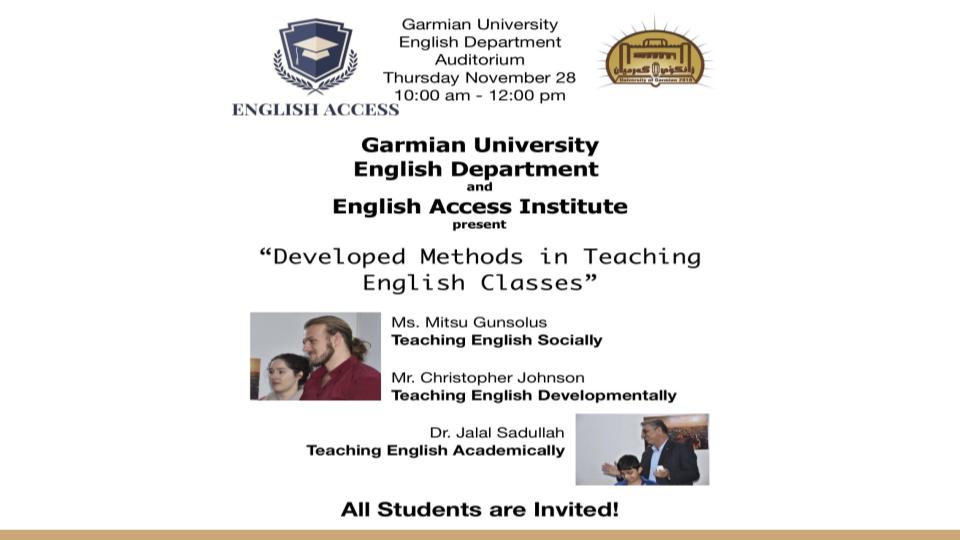
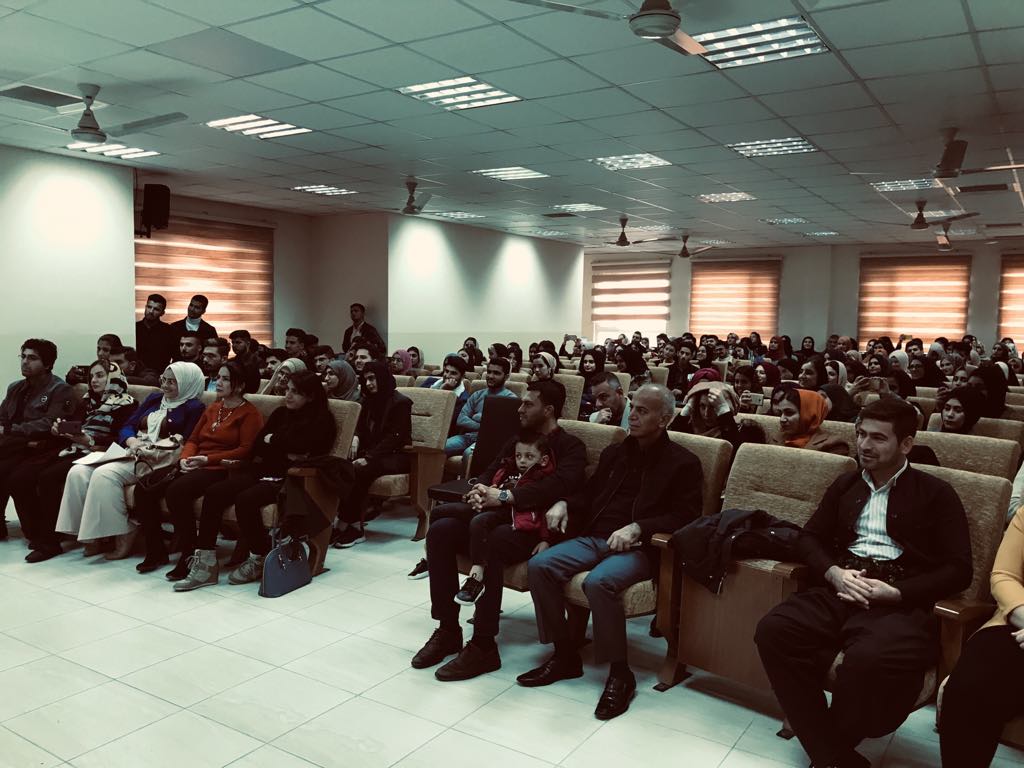
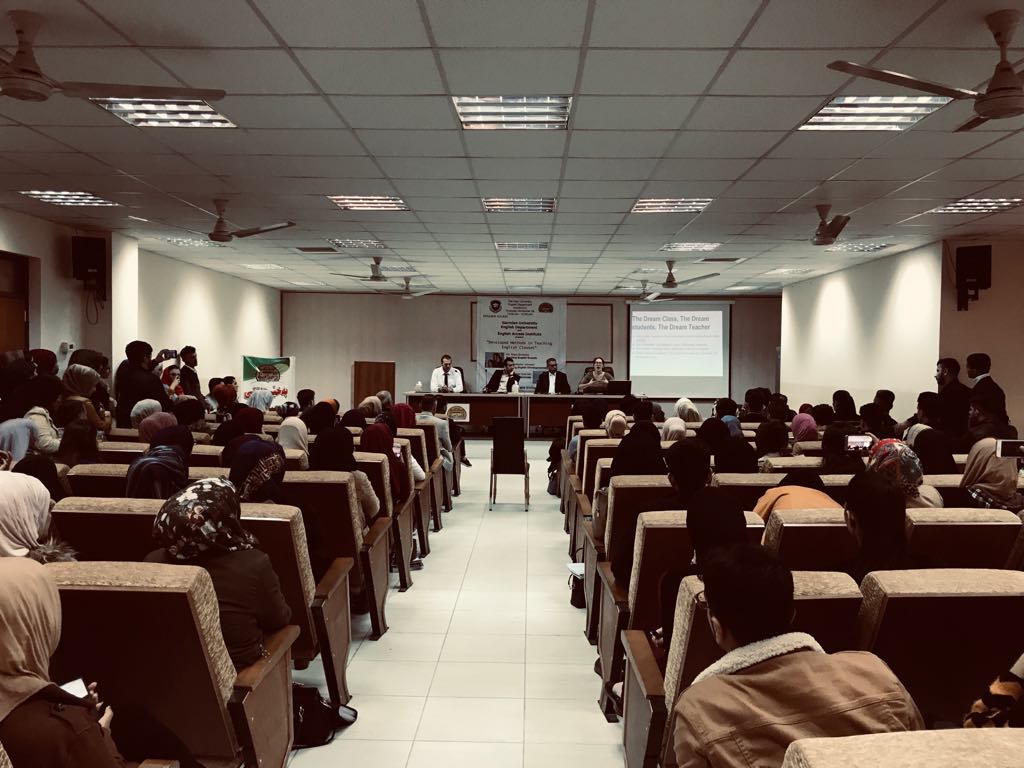
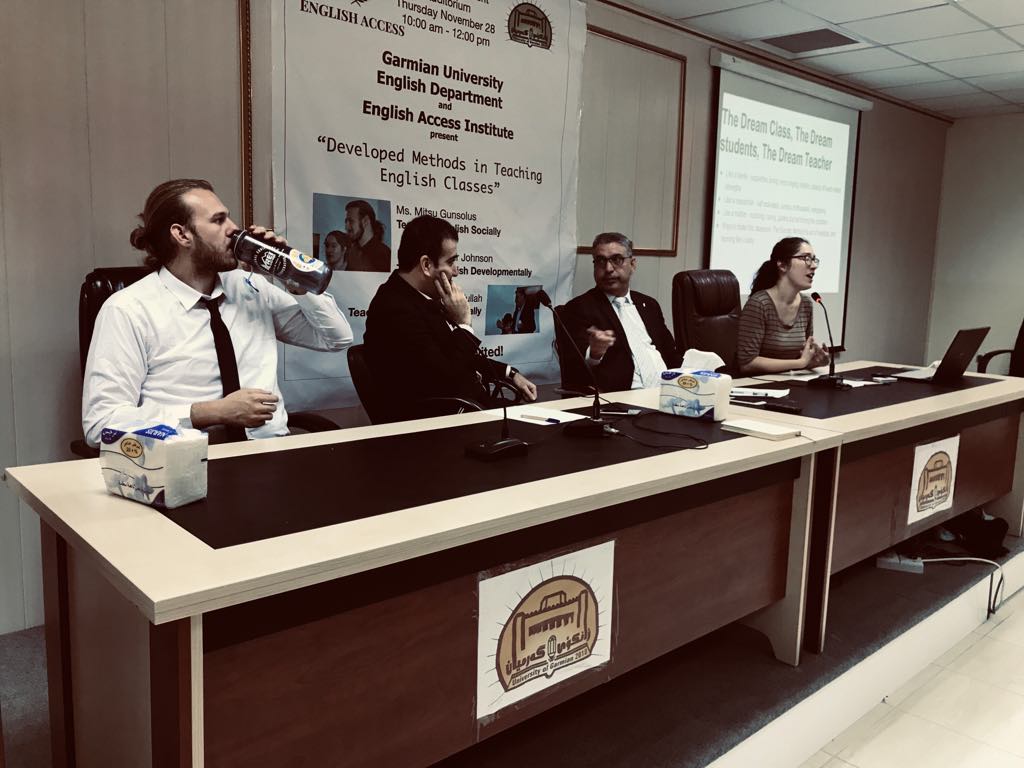
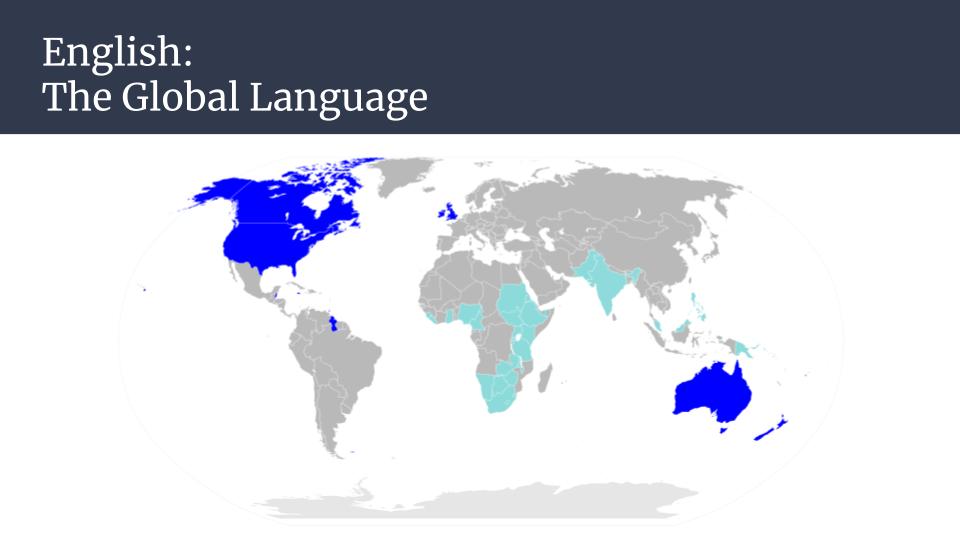
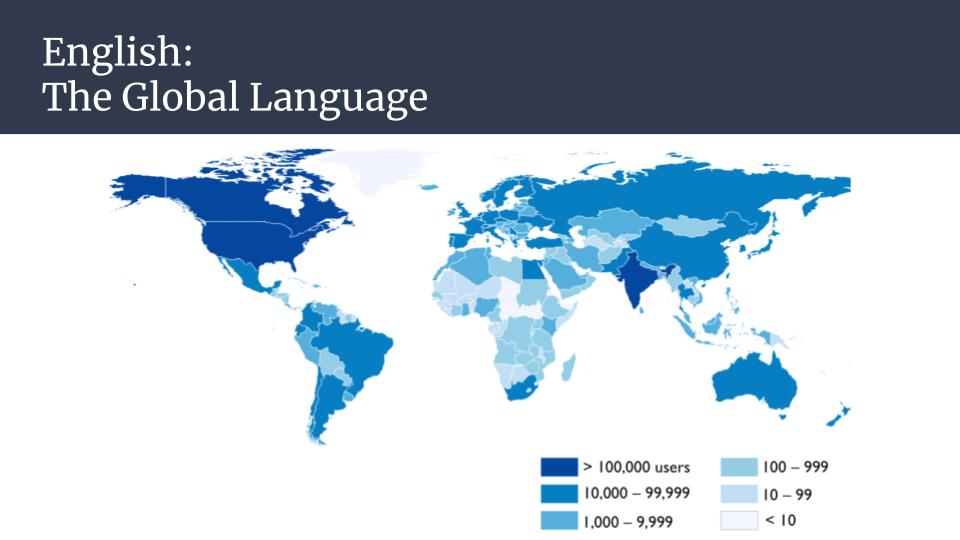
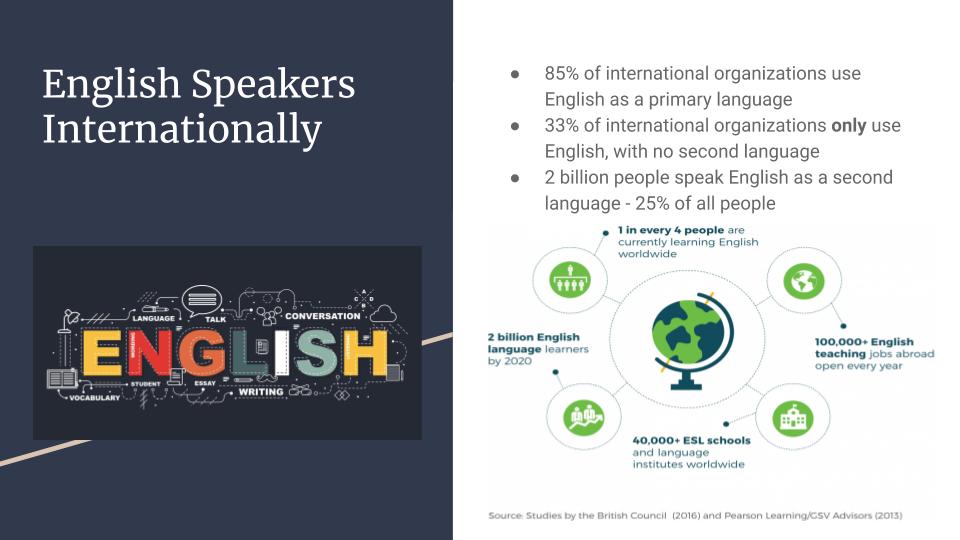
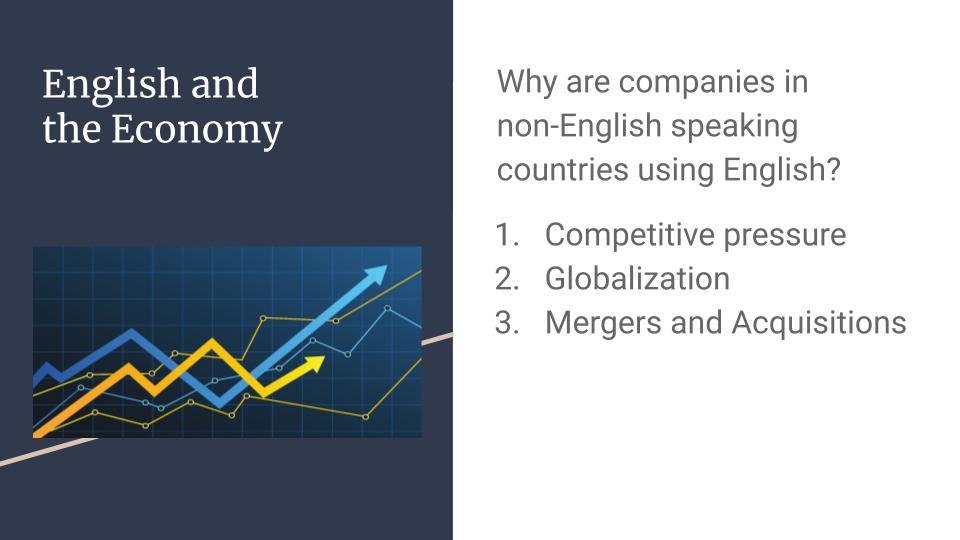
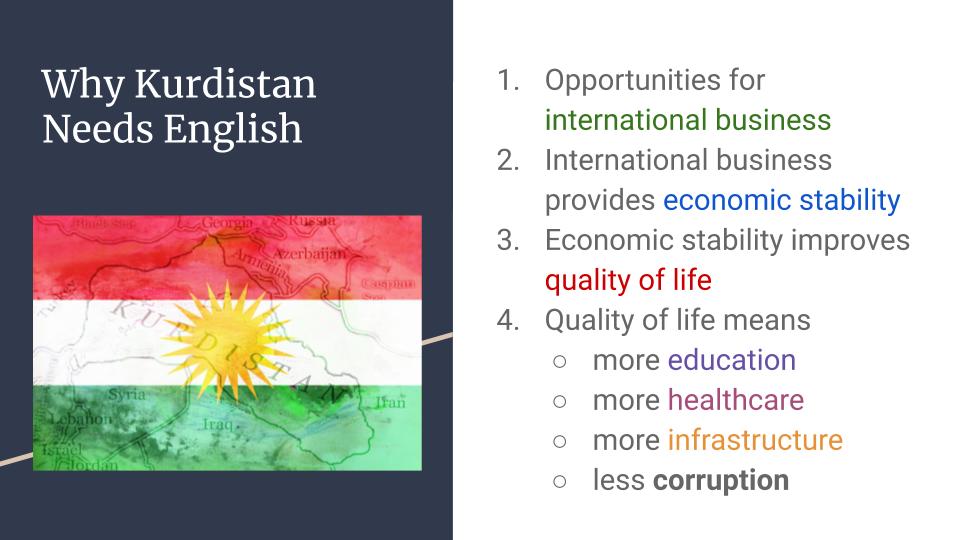
Today is a big day. The English Access Institute is partnering with Garmian University to host a seminar on the benefits of learning English. We’re sitting in a massive lecture hall behind a long table next to two esteemed professors. There’s over 300 students, professors and members of the community – standing room only – ready to listen to two Americans talk about a strange language.
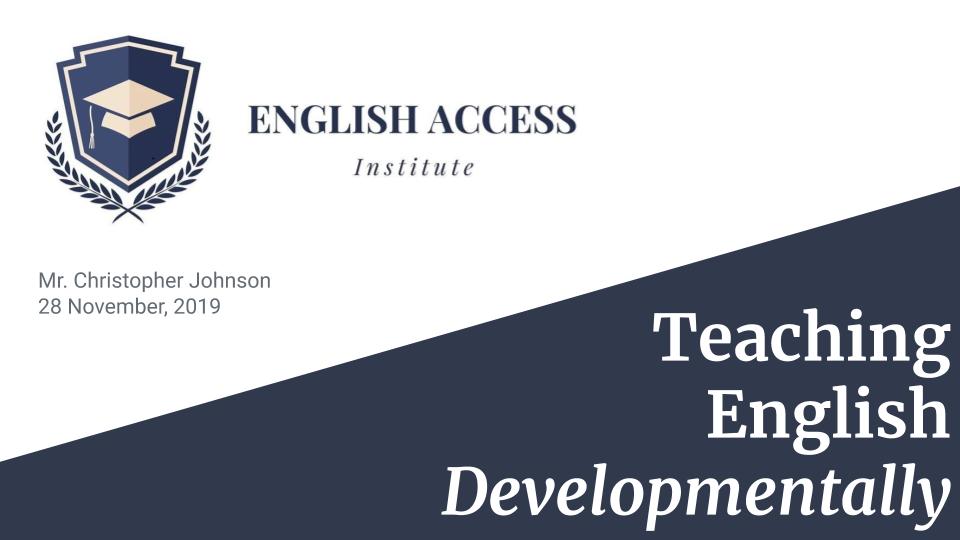
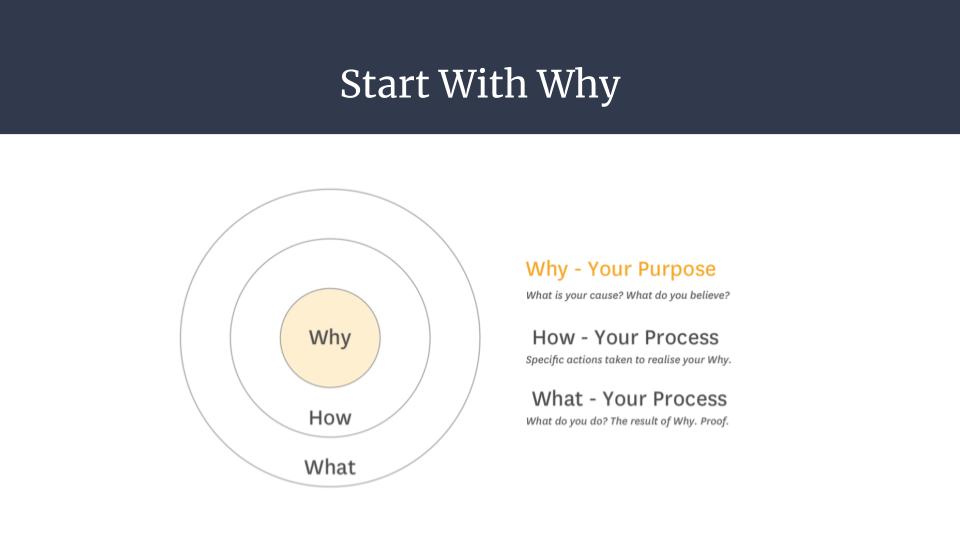
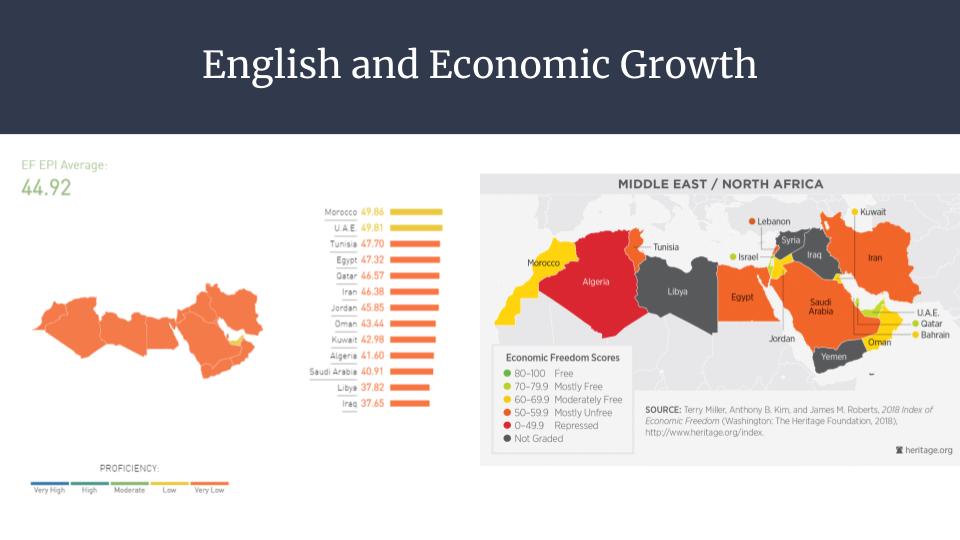
I go first. My presentation is about the connection between English language learning and economic development. In my research I found that 2 billion people speak some degree of English that a third of International companies use English as a language of operation and another third only use English. I also found that in the Middle East/North African region, the two countries with the highest rates of English permutation (Morocco and Qatar) are also the only two countries that pass most ease-of-doing-business and economic freedom indexes. I think the information was well-received.
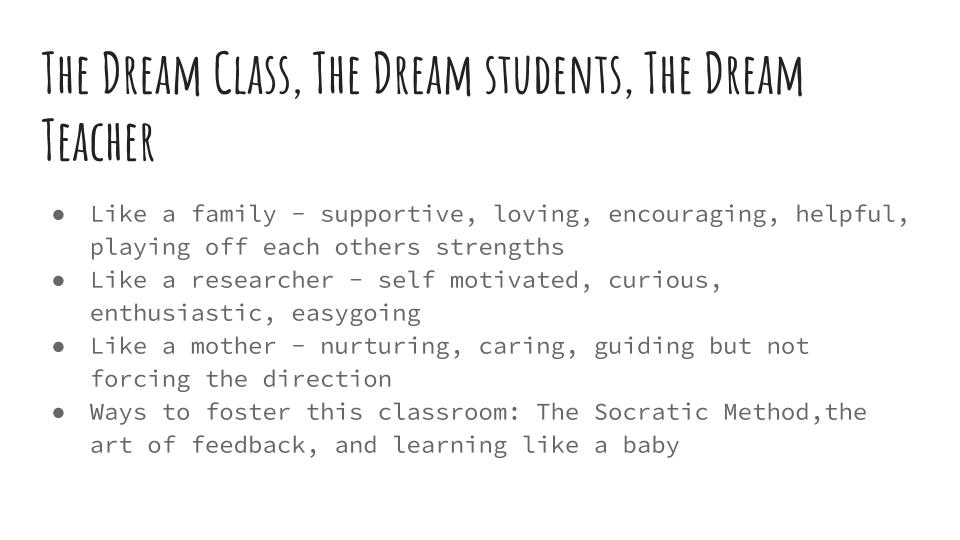
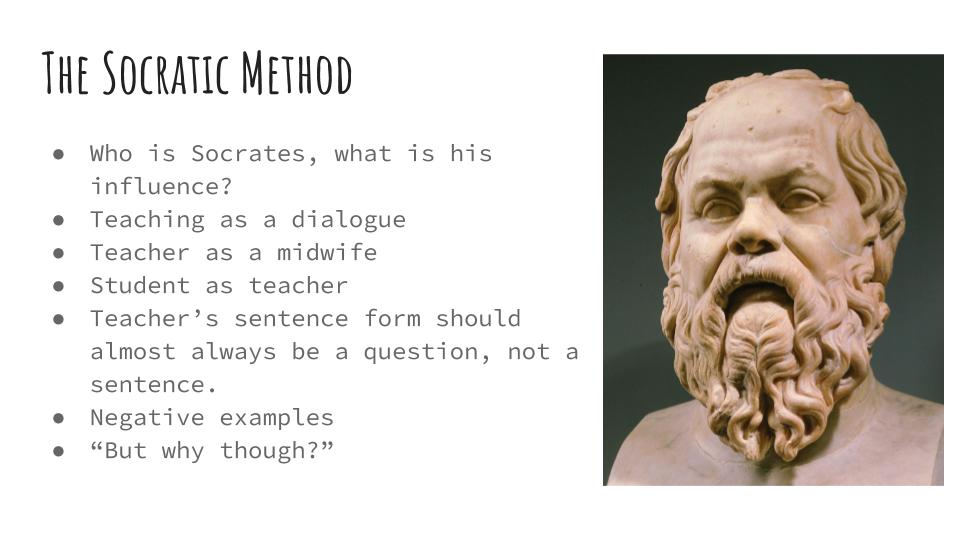
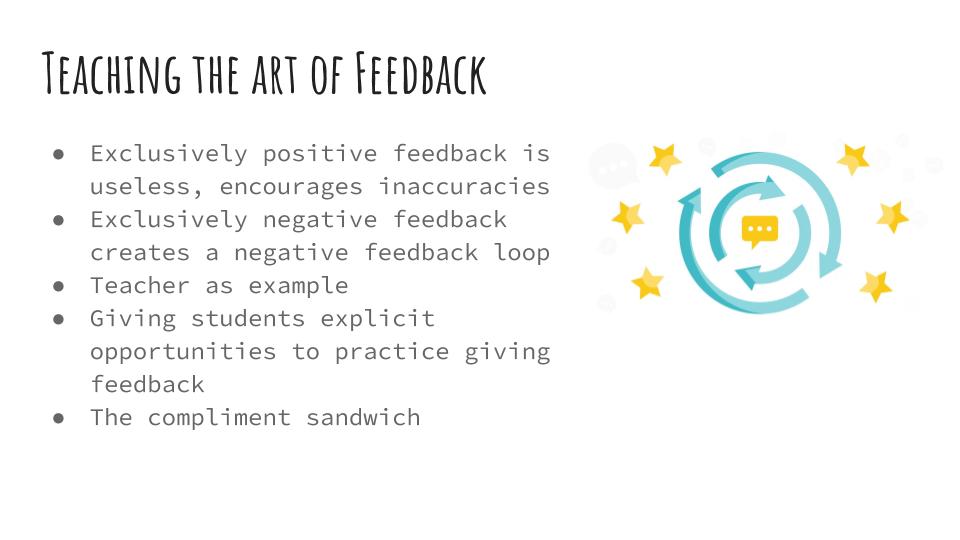
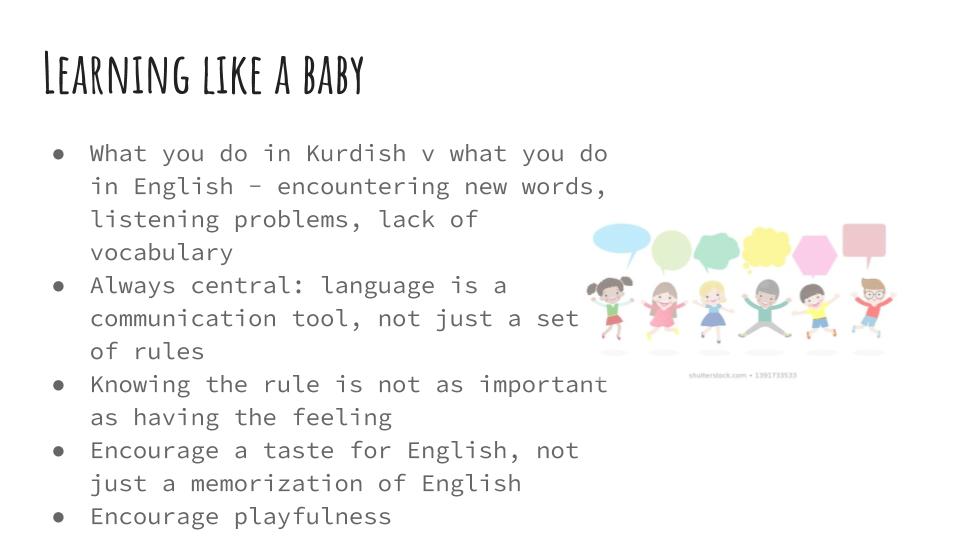
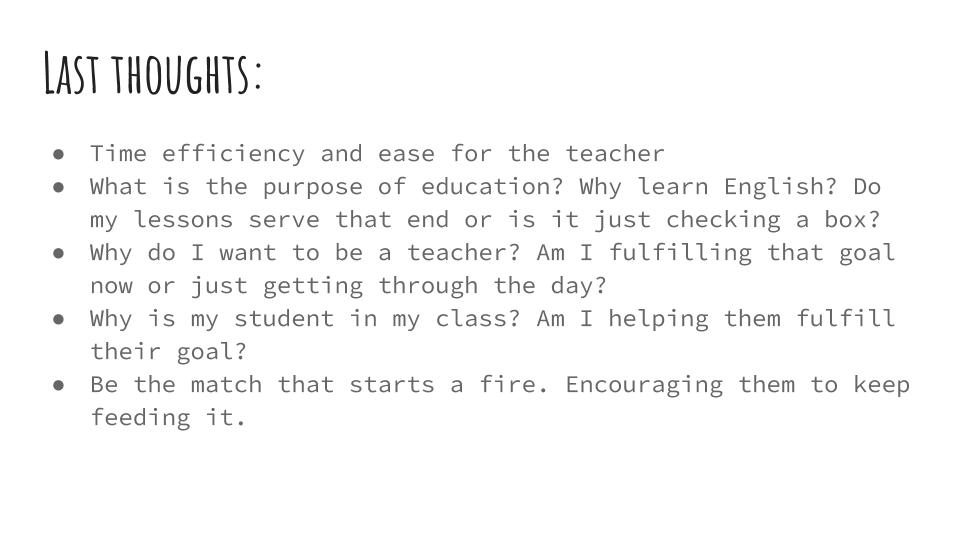
Mitsu’s presentation was on socially progressive English teaching methods, which are sorely needed in Kurdish classrooms. As we’ve learned in the past month, the average Kurdish English teacher talks for 90% of class time and can barely get through a conversation. Mitsu focused on inclusive teaching practices, increasing student buy-in and targeting the purpose of a new concept instead of solely demanding rote memorization.
After our presentations we opened up for discussion. One student shared her success story studying the language. The former head of the Kurdish department spent 20 minutes arguing with our Kurdish co-hosts about the destruction of Kurdish heritage. Another student said that learning English was important to “defeat the enemy, Donald Trump, traitor to the Kurds.” We asked him to have pity on the senile old man, and everyone laughed. Once discussion wrapped up, we fought our way to the administrator’s office, taking selfies with excited students for almost an hour.
The presentation was a resounding success. We’re increasing our school’s presence in the community and we’re motivating students to focus on their studies, but it also served to share American culture with our new hosts, who are starved for Western respect and need to see proof that Americans still care. I hope that we showed them at least that much.
سێمینار – presentation
 certification
Leave a comment