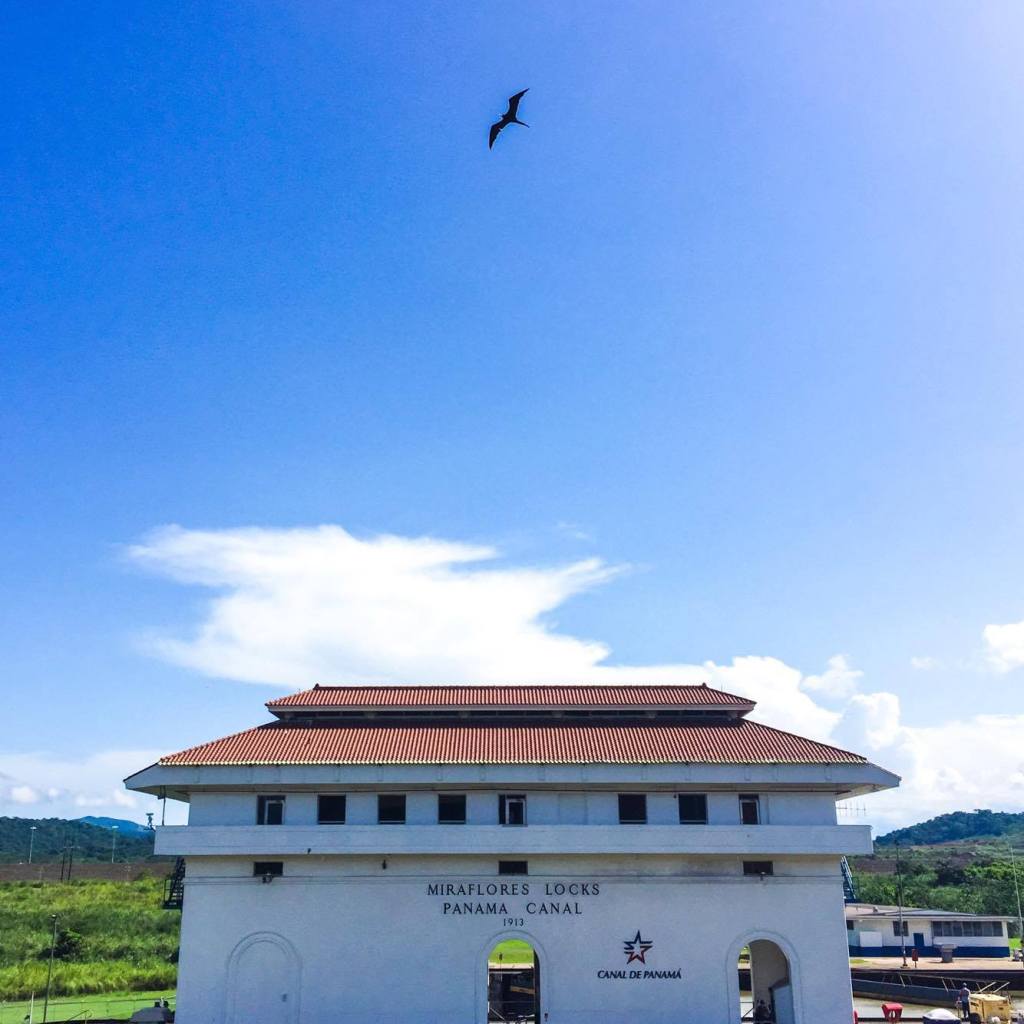
Before I say anything else, it is incredibly hot here in Panama City. How people have lived here for centuries is beyond me. Maybe the heat helps to explain why I haven’t met many Panamanians in the United States – in the same way that an average December evening in Omaha is uncomfortable to Molly and her family but horrifyingly cold to myself, the heat in Florida must be run-of-the-mill to many Panamanians but even colder evenings in Tampa would be freakishly alien to people here. But I digress.
We went to see the Panama Canal yesterday, labeled as a “modern wonder of the world” by signs leading up to Miraflores, the district of Panama City that the canal resides in. After an hour and a half trying to make sense of the bus terminal, Molly and I were helped by a smiling Dominican family on to the right bus. The government has made a concerted effort to modernize the bus system, but the vast majority of citizens still use these old school buses with wild painting (and an abundance of sex symbols), giving inter-state travel a colorful accent.
But anyways, we found (!) the Canal and spent the afternoon watching, well, this:
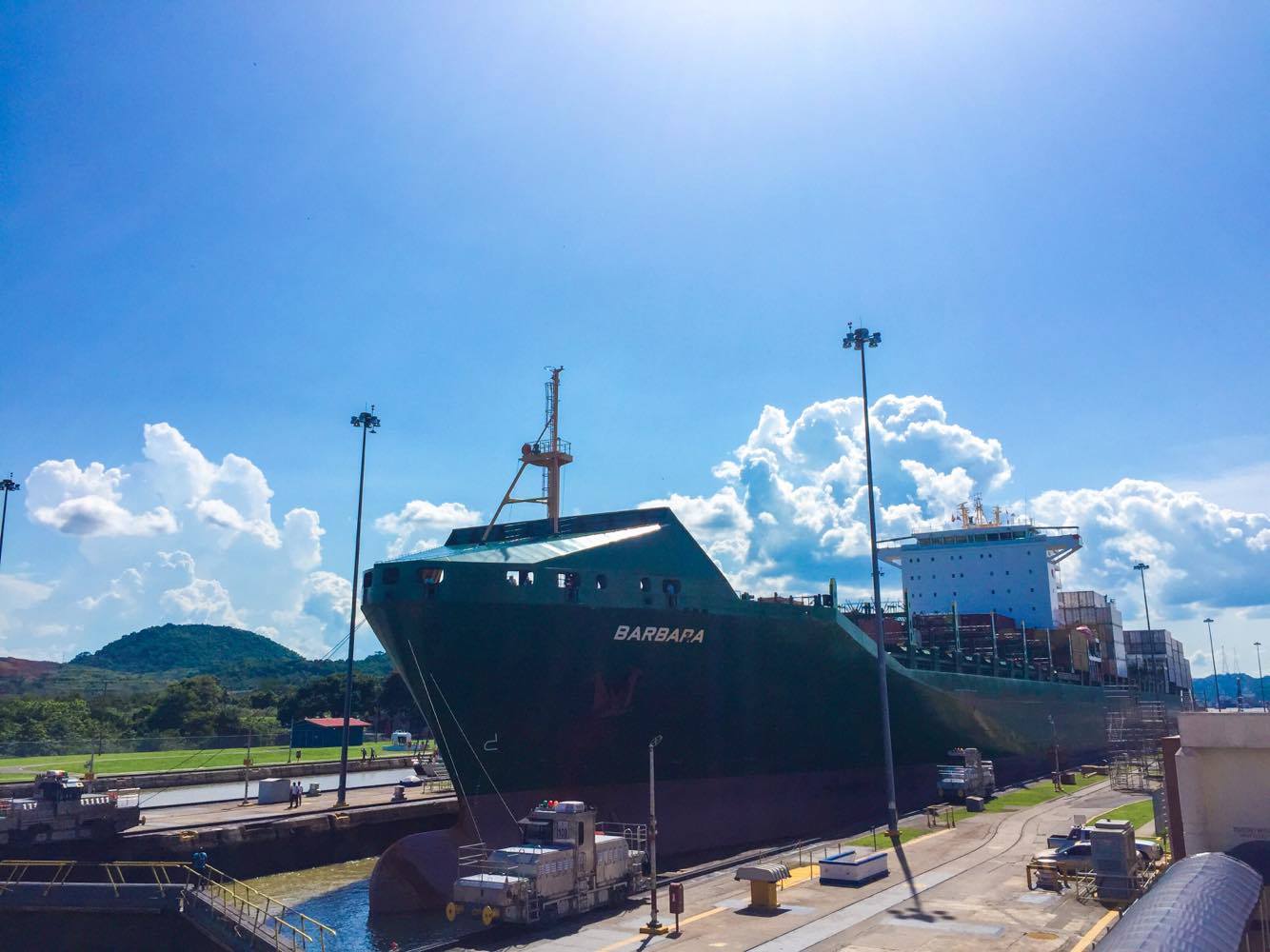
The Canal is essentially three sets of “locks,” and each lock is a two-lane swimming pool that raises and lowers to allow vessels to pass through. But the entire process seemed utterly outdated. In the distance, the lake connecting to the last lock before the Pacific Ocean (the lock which all of us sweaty tourists were told that we had to see) held dozens of cargo vessels each waiting to pass through. And don’t get me wrong, the engineering is spectacular.
But Panama exists because of this structure. In the early 1900s, the United States supported an insurrectionist movement in Colombia to “liberate” Panama. Panamanians used to be ethnically separate from the rest of Colombia (the Spanish-transmitted small pox extinguished hundreds of distinct tribes, many which archeologists are only just now uncovering), but following centuries of imperialistic control by Spain, tribes and cultures mixed and differences were diluted. In fact, many Latin American states sought to remove the internationally-recognized borders separating existing states and combine into a newer “Gran Colombia”, following in the footsteps of liberator Simon Bolivar and expressing a supranational sentiment advocated for by leaders like Hugo Chavez in contemporary times.
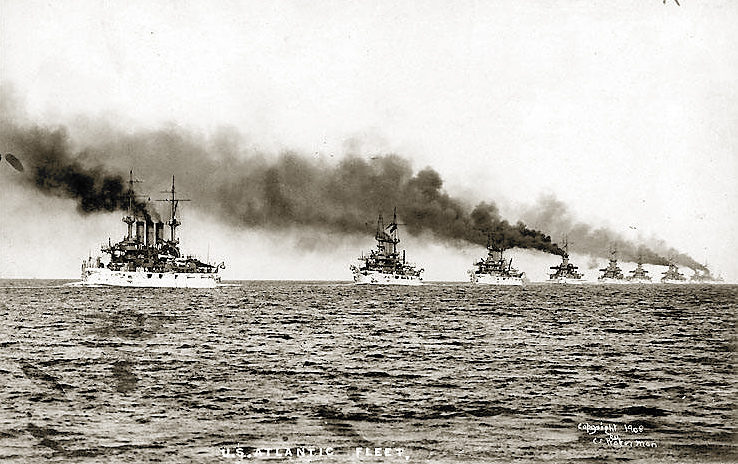
So the United States wasn’t acting to “liberate” an oppressed population – they sought to benefit from a canal which the French had started constructing in the 1870s, which would provide merchant vessels with a shortcut through the isthmus of Panama and avoid a perilous journey around South America and through the Strait of Magellan. This sentiment was actually a campaign point in President Teddy Roosevelt’s election platform, and he would go on to parade the “Great White Fleet” (a moniker for our nation’s first deep-water, far-reaching navy) through the Panama Canal and over to Japan, China, India, and eventually over to Western Europe. Just in case people forgot who the eminent world power was going to be.
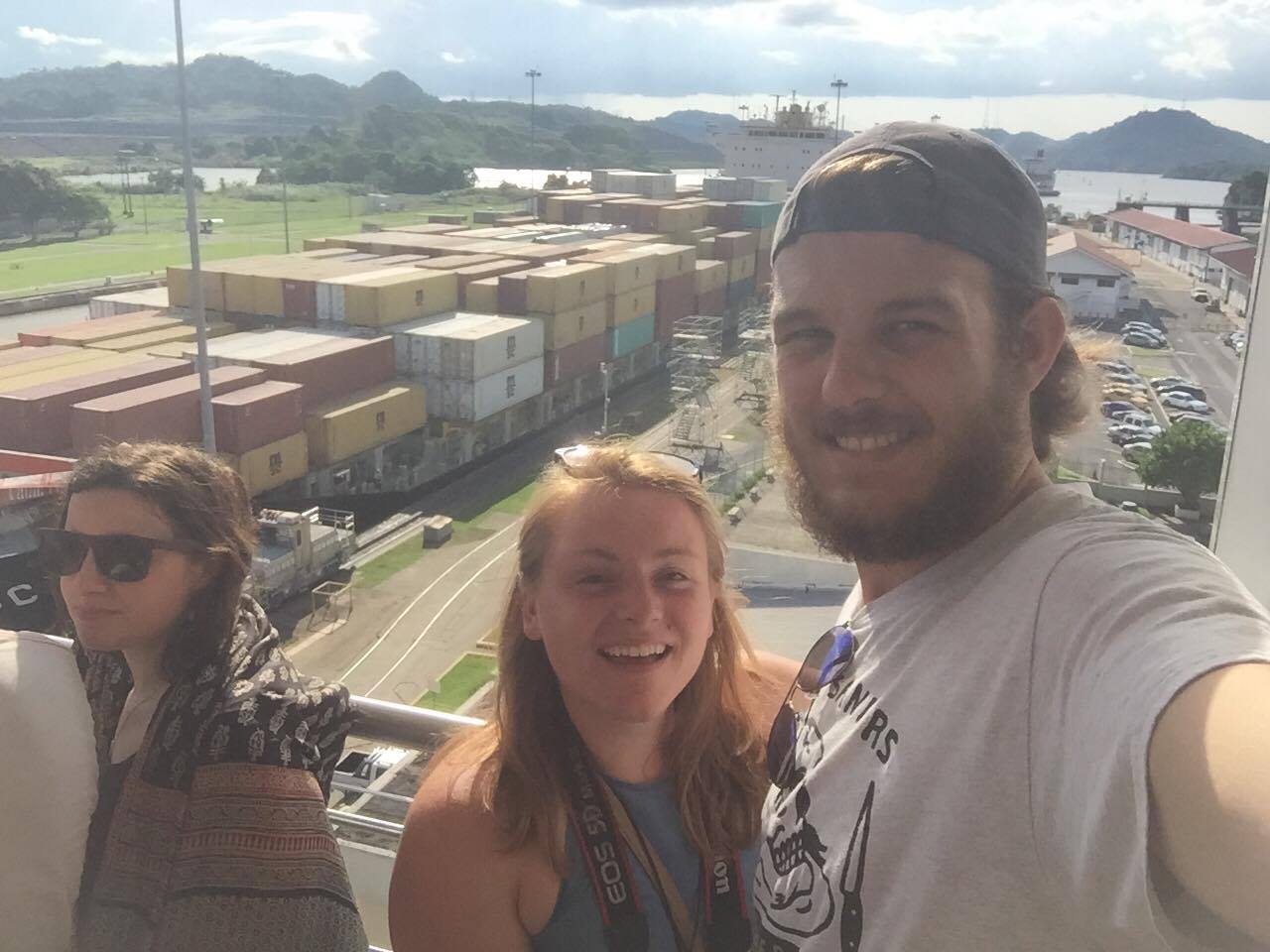
We did have a wonderful cab driver, however. Giovanni was born in Panama but grew up in Brooklyn, going on to serve the US Army in Colorado Springs (side note: Molly and I spent a week in Colorado Springs this past May, so that was pretty cool). He never saw combat but became very calloused about Panama upon returning; “Everything was better when the Americans were here,” he told us as we pestered him about politics. “When the Americans were here, Panamanians made $18-$19 an hour working on the Canal. After they left, they made $3.50.” He spoke at length about how pretty much nobody votes in Panama because every President is as corrupt as the last, and that the government only cares about heavily policing the parts that tourists go to (more on policing in Panama during a later post).
Giovanni’s conversation with us ended as we entered San Felipe, an old part of Panama City. But he helped me put together some ideas about poverty, authoritarian politics, and nationalism that make a lot of sense in my head but need a few more days to gestate before I put them on paper.
Last but not least: San Felipe has a lot of great wine. We’re in Panama to have fun, too.
—
 certification
Leave a comment